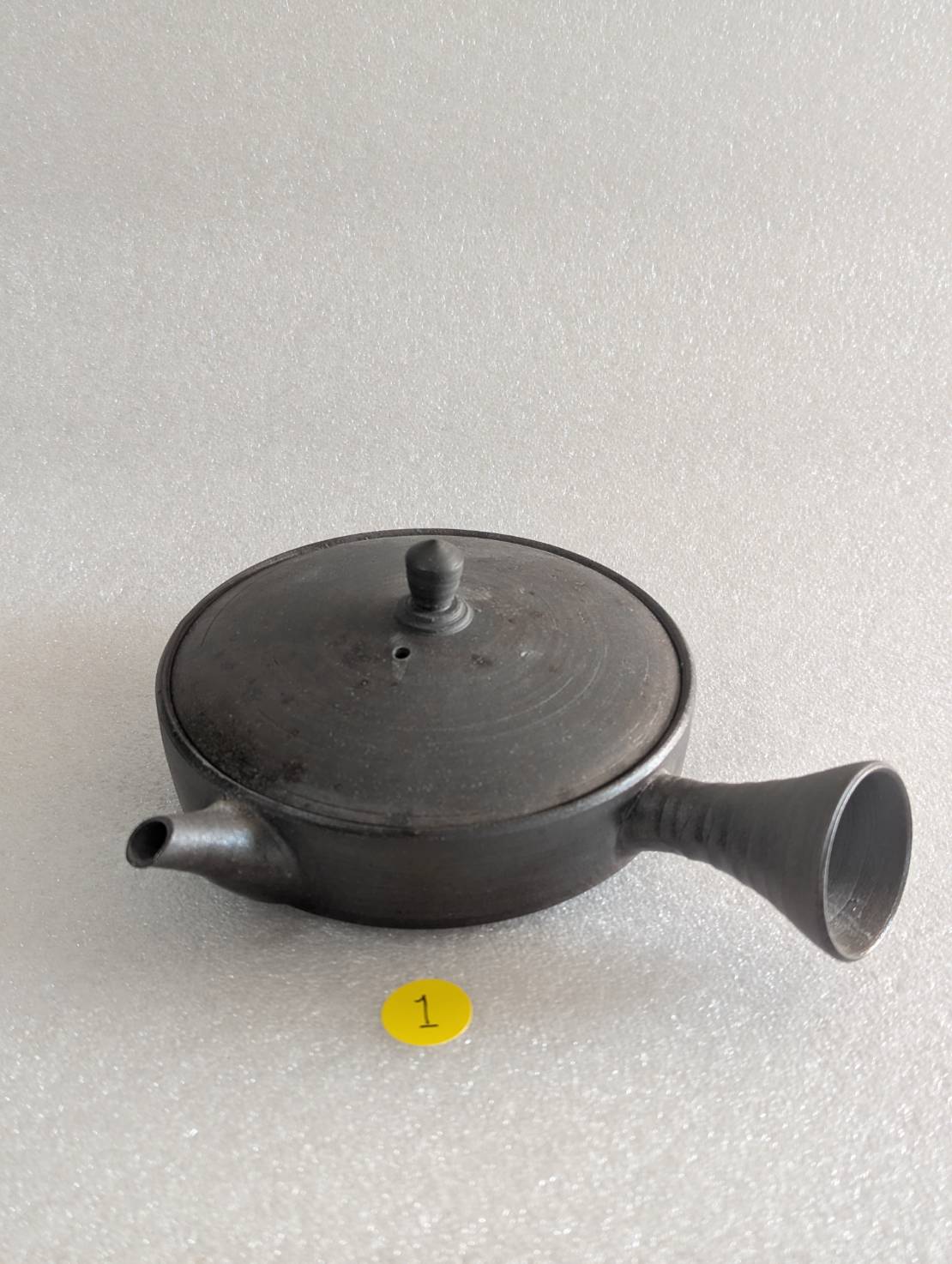
Flat-Bodied Teapot with Kiln-Changed Carbonization
Size: 145 × 170 × 60
Technique: Carbonization firing
Material: Ceramic
Created: 2026
Ultra-flat teapot made of black clay with natural patterns created by carbonization firing
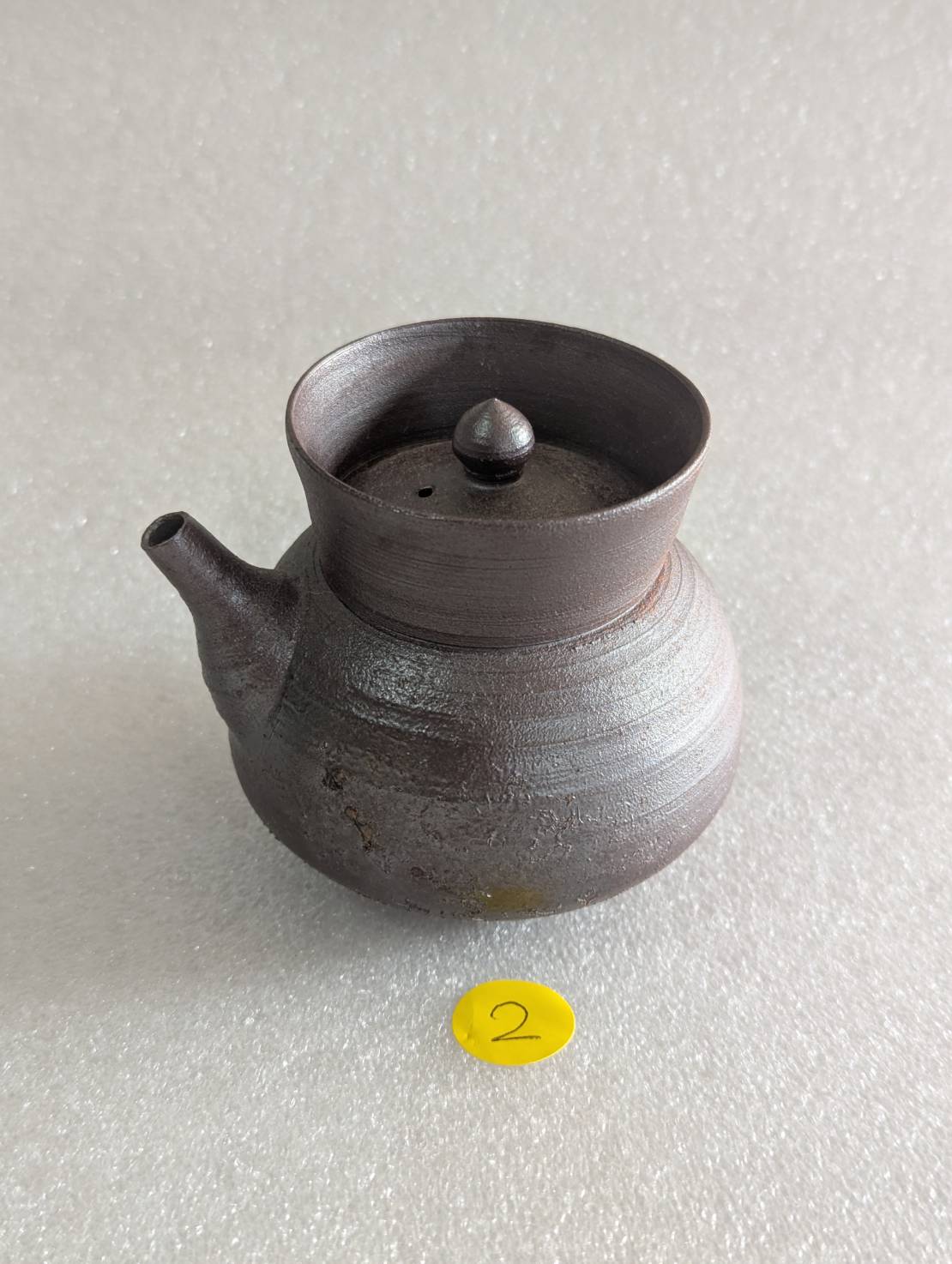
Kiln-Changed Carbonized Vase
Size: 70 × 85 × 70
Technique: Carbonization firing
Material: Ceramic
Created: 2026
A treasure vase featuring the natural patterns of red clay created through carbonization firing
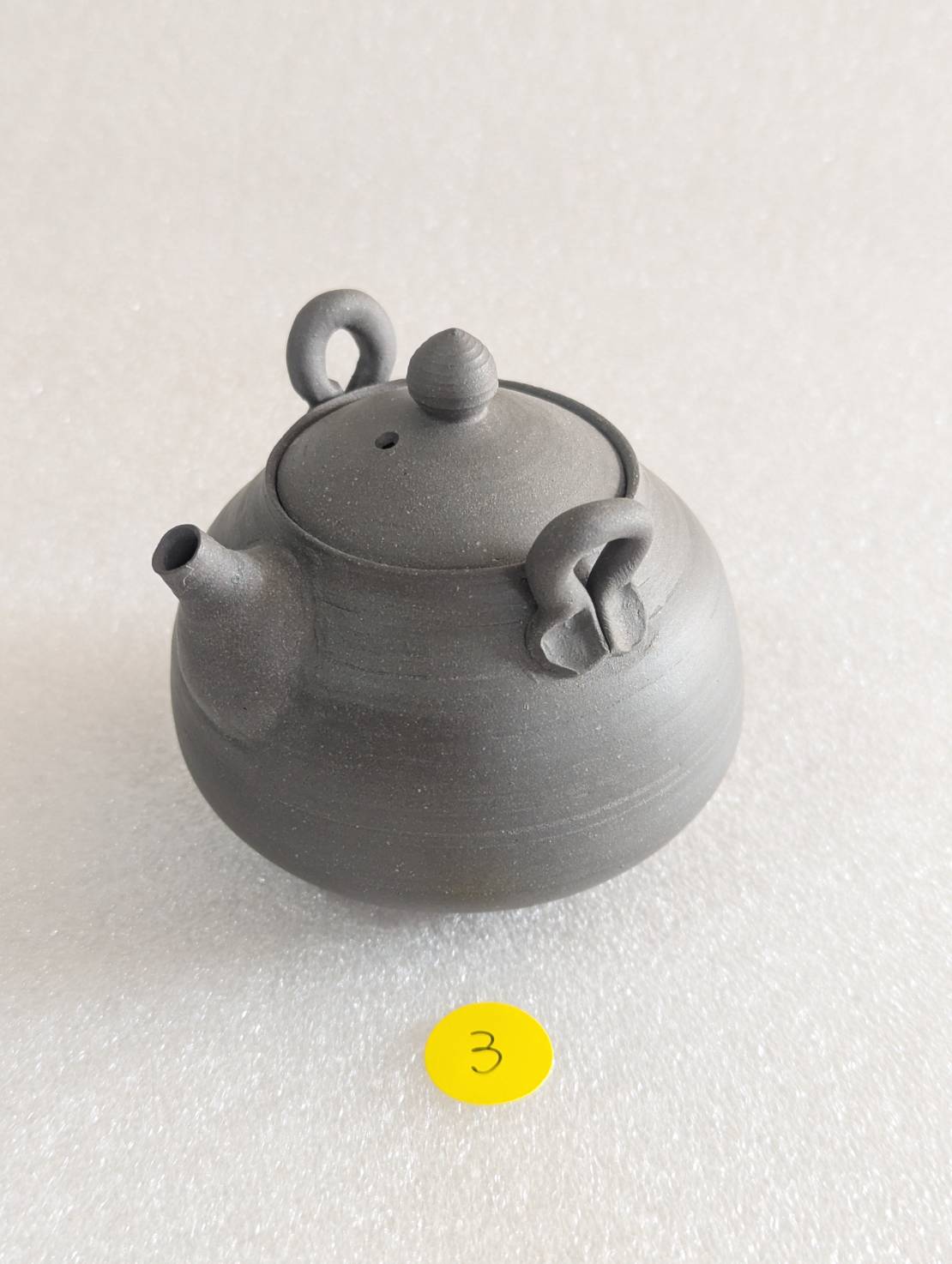
Black Treasure Vase, Yaki-shime Style
Size 85 × 95 × 80
Technique: Yaki-shime
Material: Ceramic
Created: 2026
A hand-formed treasure vase made of black clay, fired using the Yaki-shime technique
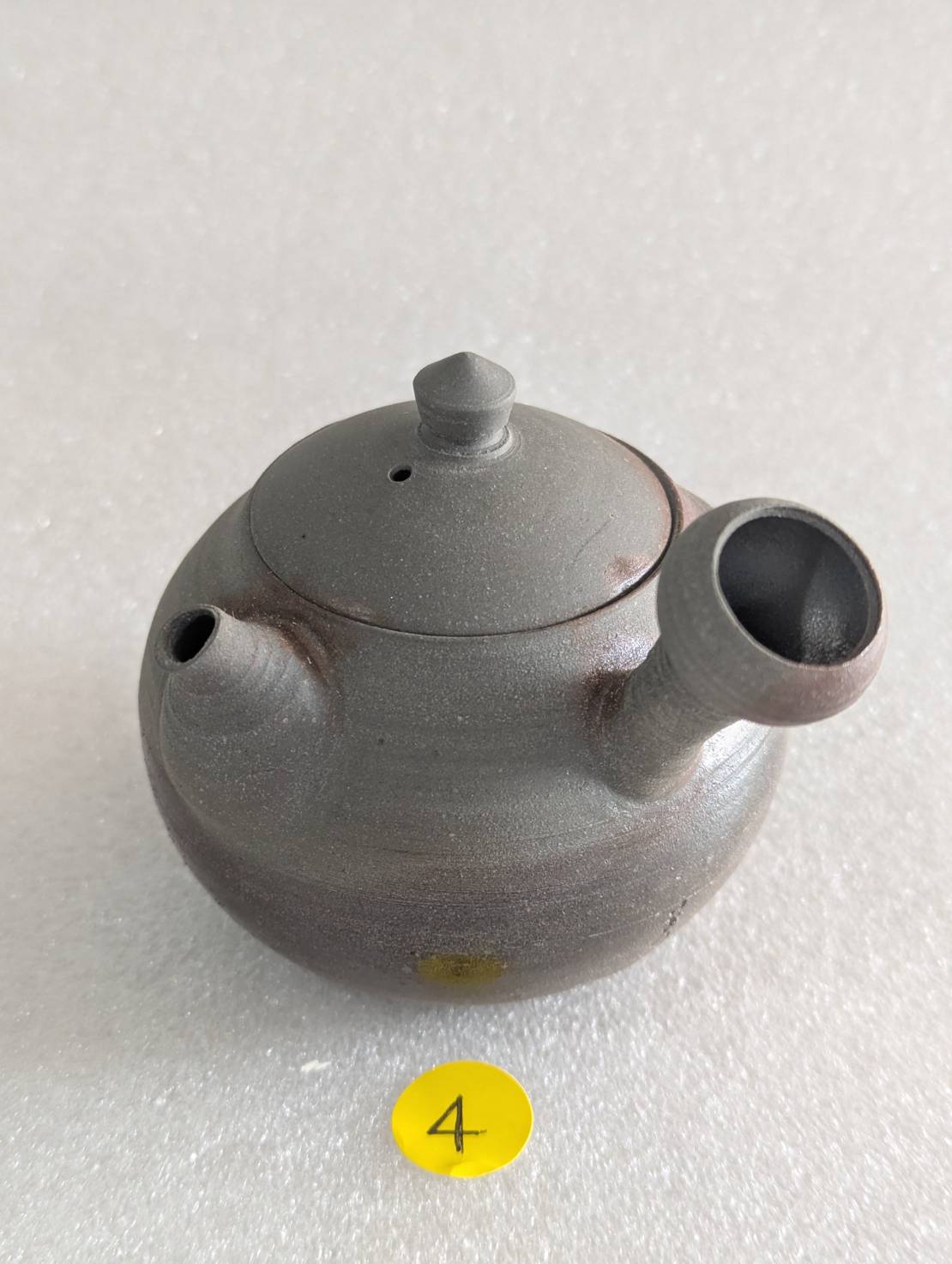
Kiln-Changed Carbonized Black Teapot
Size: 110 × 95 × 85
Technique: Carbonization firing
Material: Ceramic
Year: 2026
Round teapot made of black clay with natural patterns created by carbonization firing
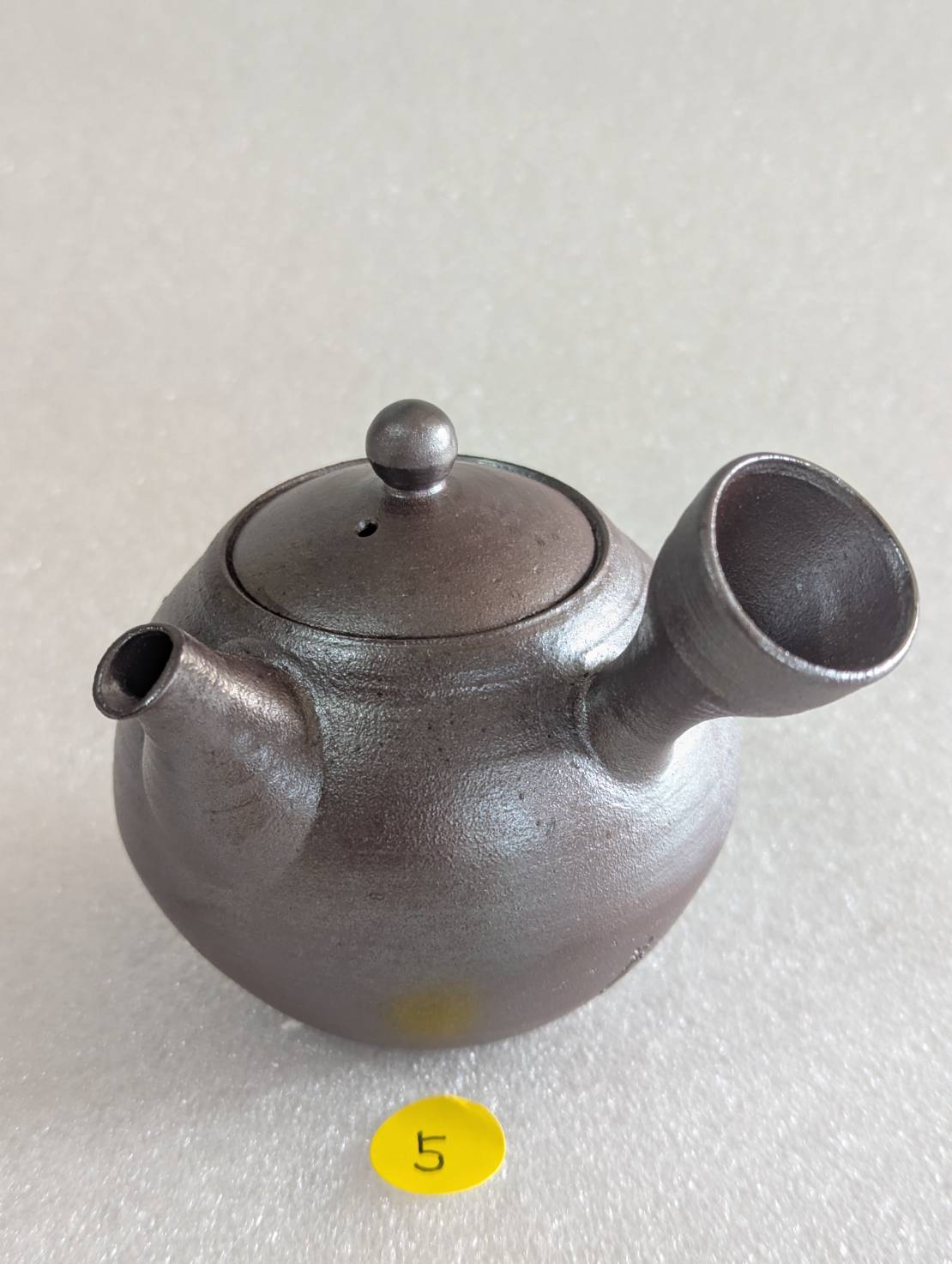
Pit Kiln Kiln-Change Teapot
Size: 115×100×90
Technique: Wood-fired
Material: Ceramic
Year: 2026
Round teapot with natural ash glaze, fired in a wood-fired anagama kiln
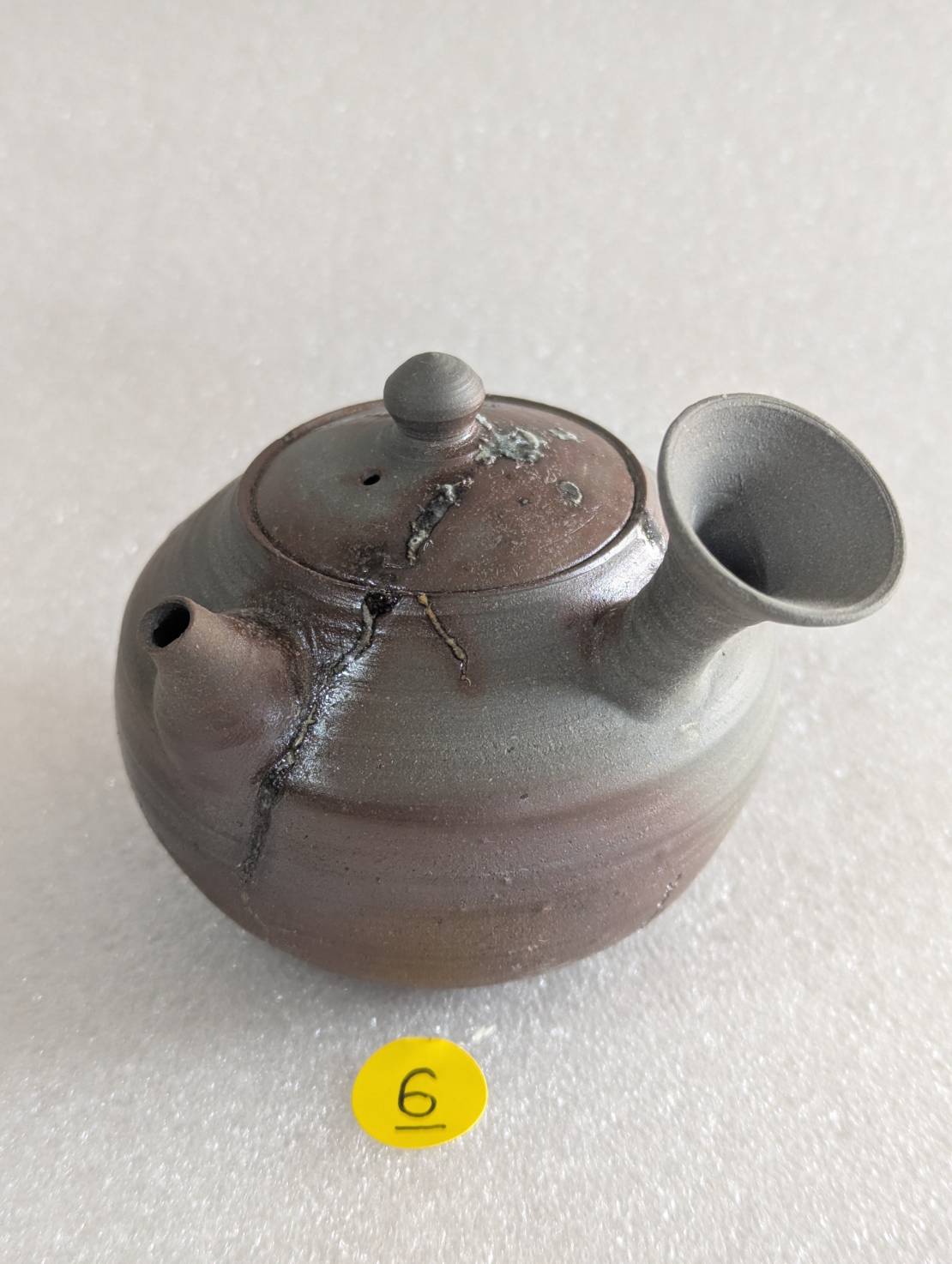
Kiln-Changed Vermilion-and-Black Teapot
Size: 115 × 100 × 90
Technique: Hi-tabi
Material: Pottery
Year: 2026
A round teapot with varied textures created using the Hi-tabi technique on black clay
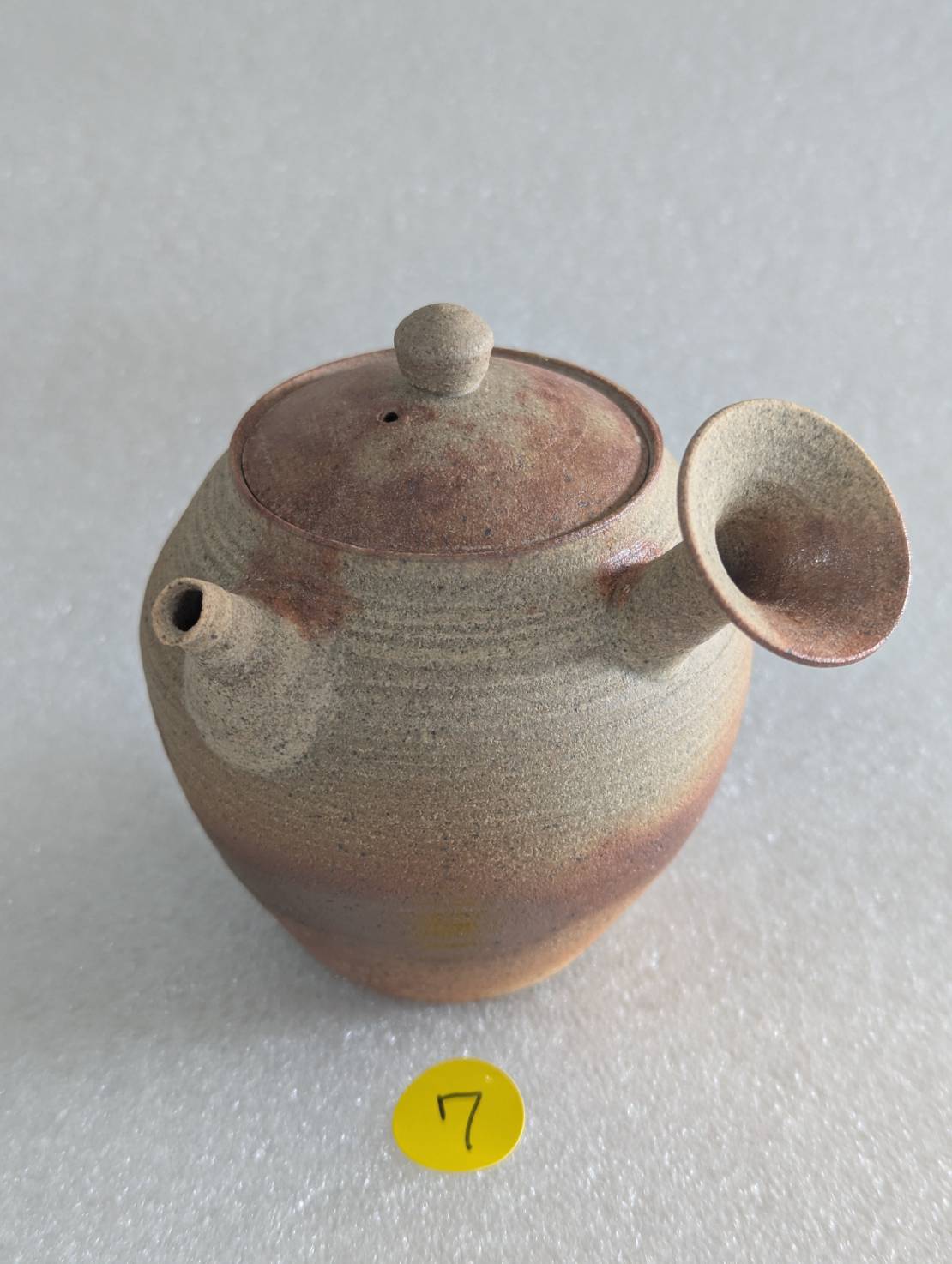
Teapot with Kiln-Changed Carbonization and Burn Marks
Size: 110 × 95 × 95
Technique: Carbonization firing
Material: Ceramic
Year: 2026
Straight-sided teapot featuring varied striated patterns created by carbonization firing
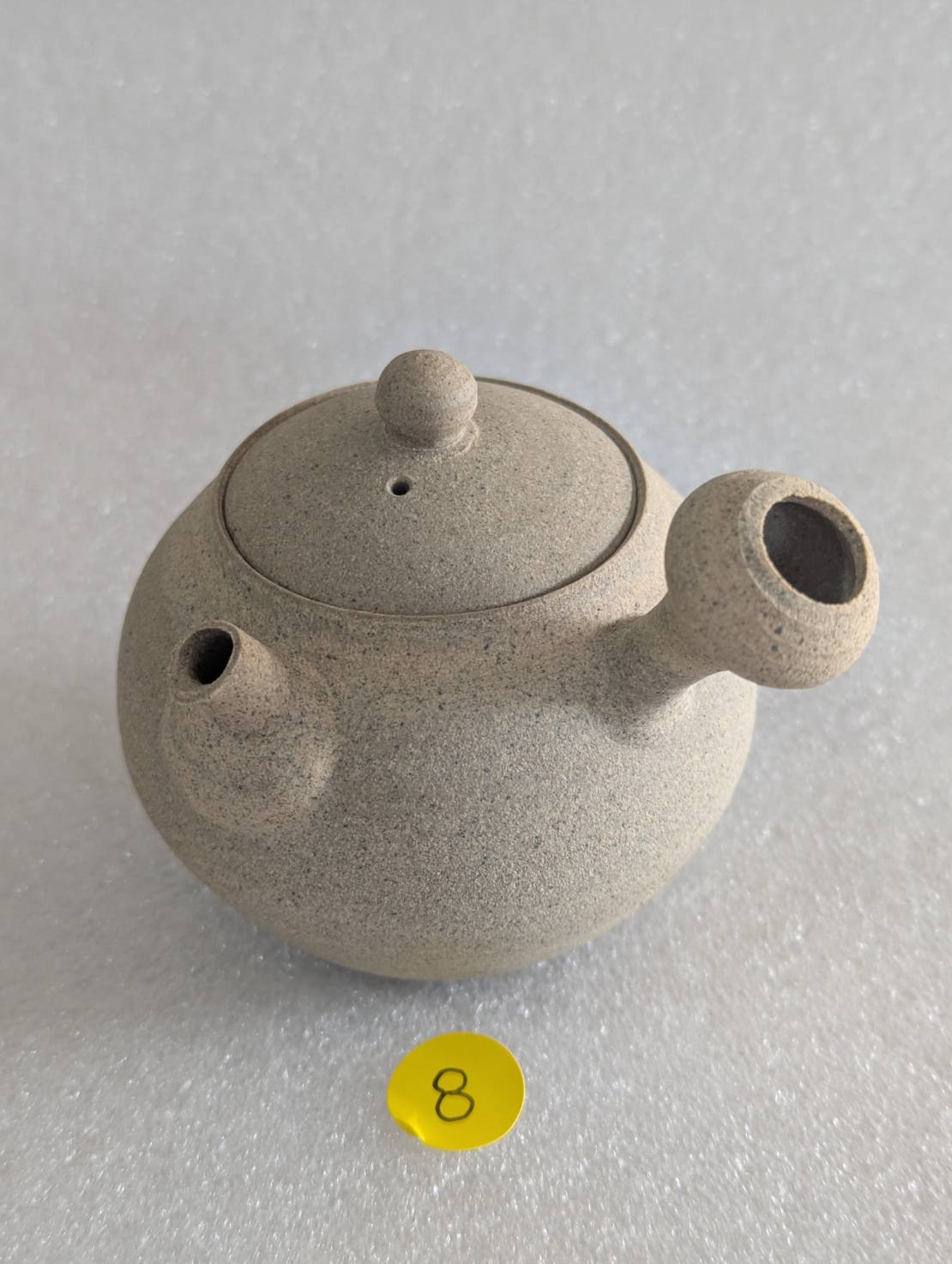
Yakisime-style Round Ash Teapot
Size: 105 × 90 × 85
Technique: Yaki-shime
Material: Ceramic
Created: 2026
Round teapot made of gray clay, fired using the Yaki-shime technique
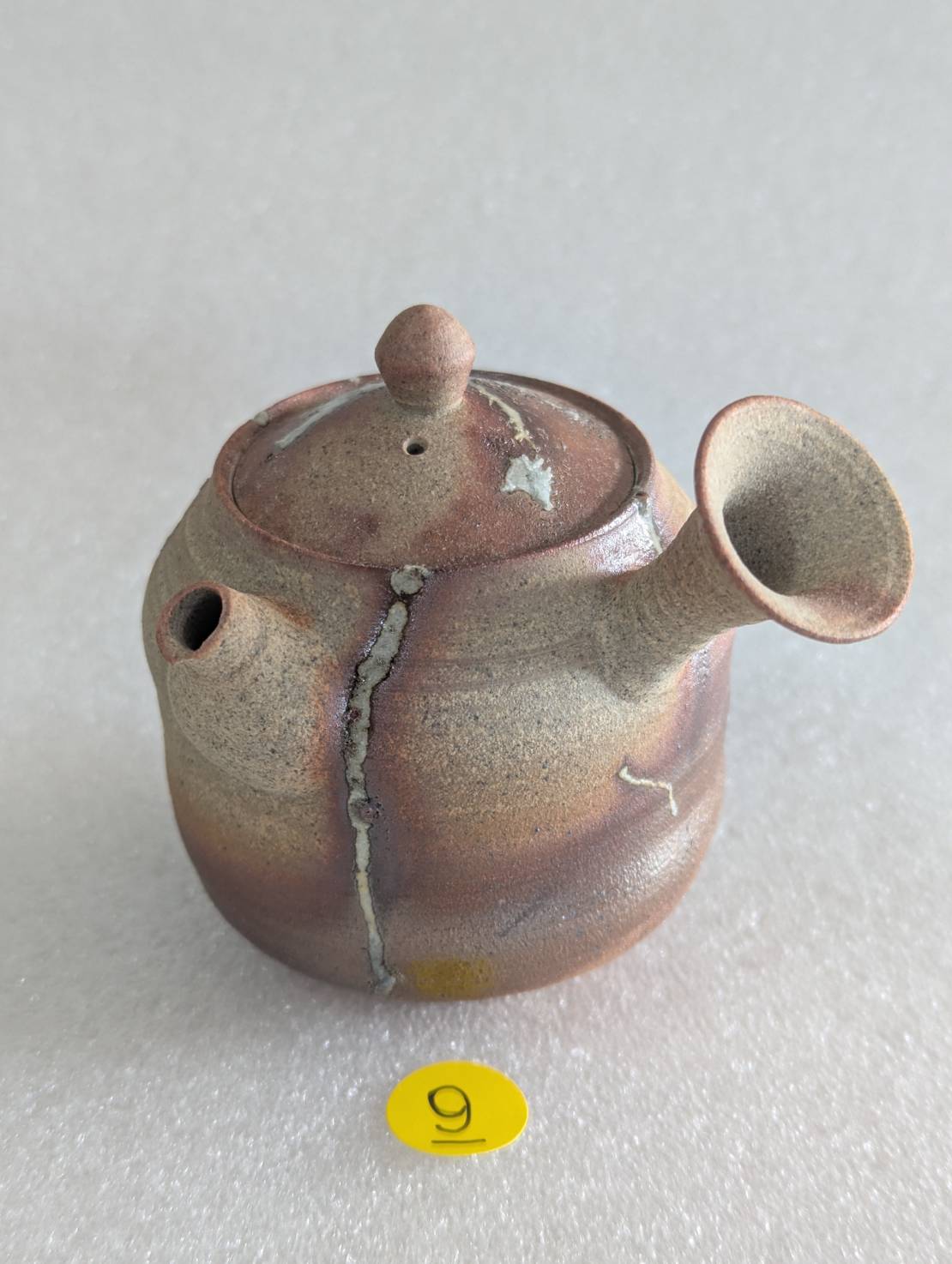
Kiln-Changed Vermilion-Striped Ash Teapot
Size: 105 × 90 × 90
Technique: Hi-taki
Material: Ceramic
Year: 2026
Straight-Bodied Teapot in Gray Clay with Hi-taki Glaze Variations
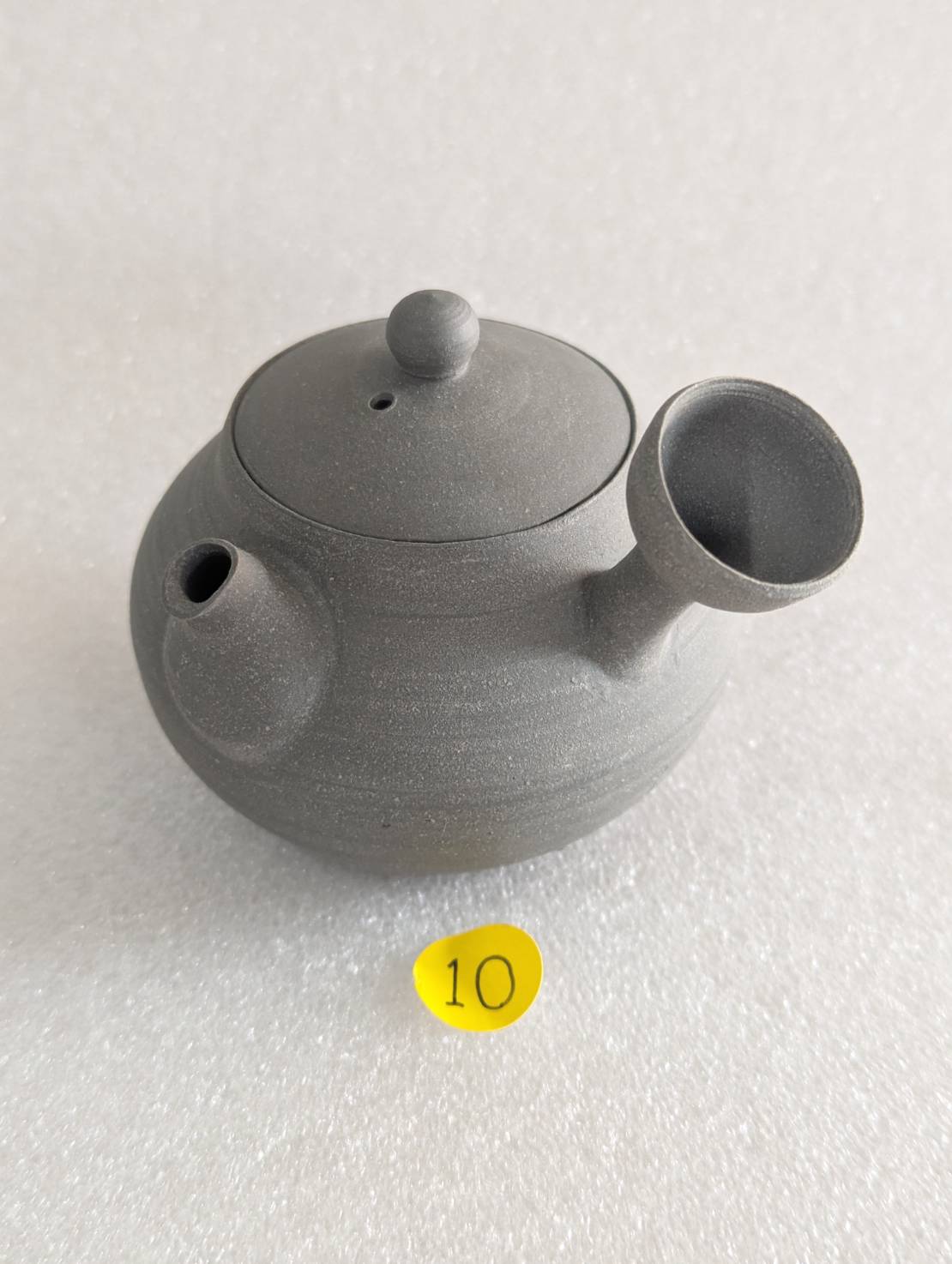
Black Round Yaki-shime Teapot
Size: 105 × 90 × 80
Technique: Yaki-shime
Material: Ceramic
Created: 2026
Round black clay teapot fired using the Yaki-shime technique
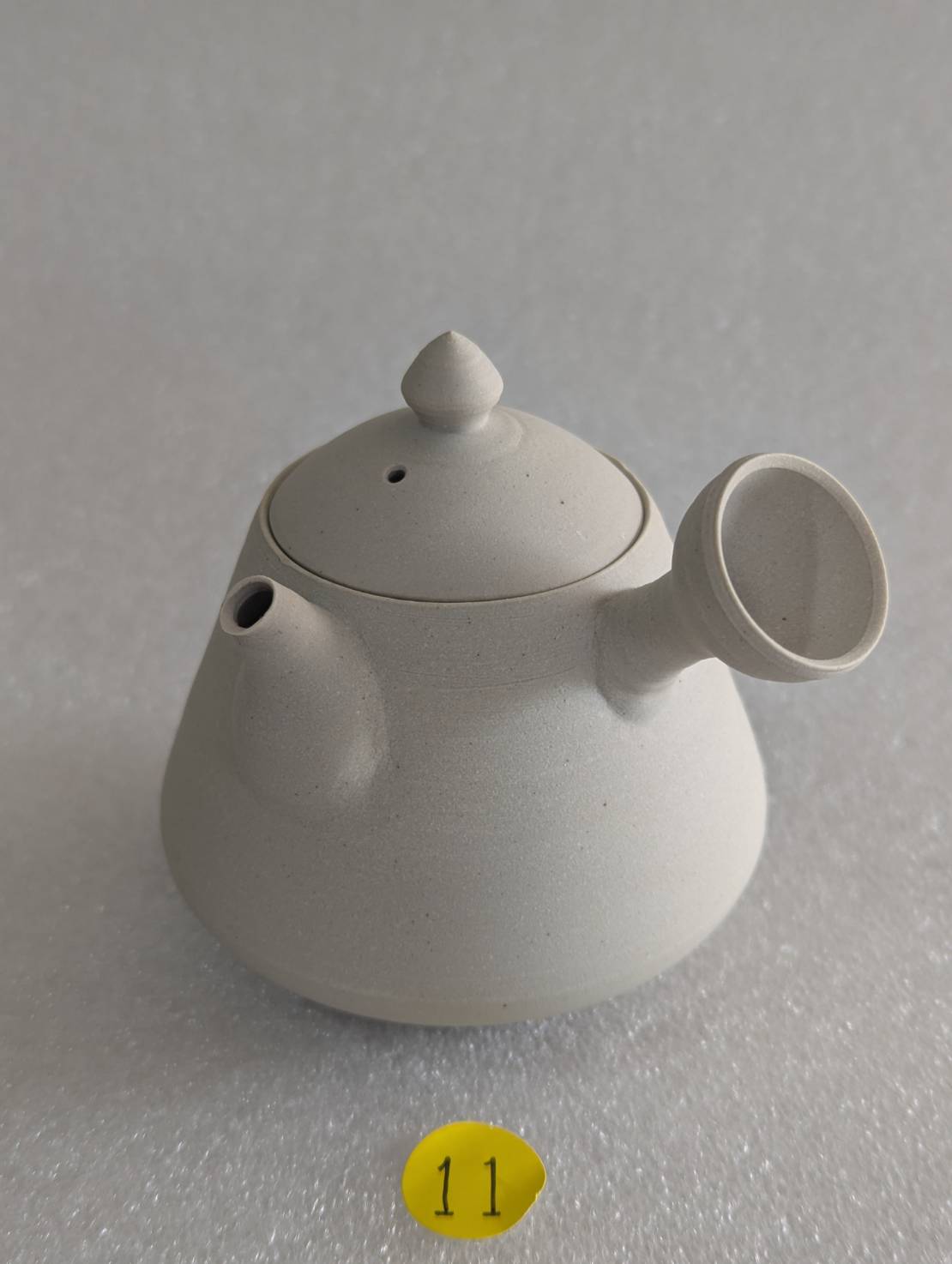
White Cone-Shaped Yaki-shime Teapot
Size: 100 × 85 × 85
Technique: Yaki-shime
Material: Ceramic
Created: 2026
Conical teapot made of white clay, fired using the Yaki-shime technique
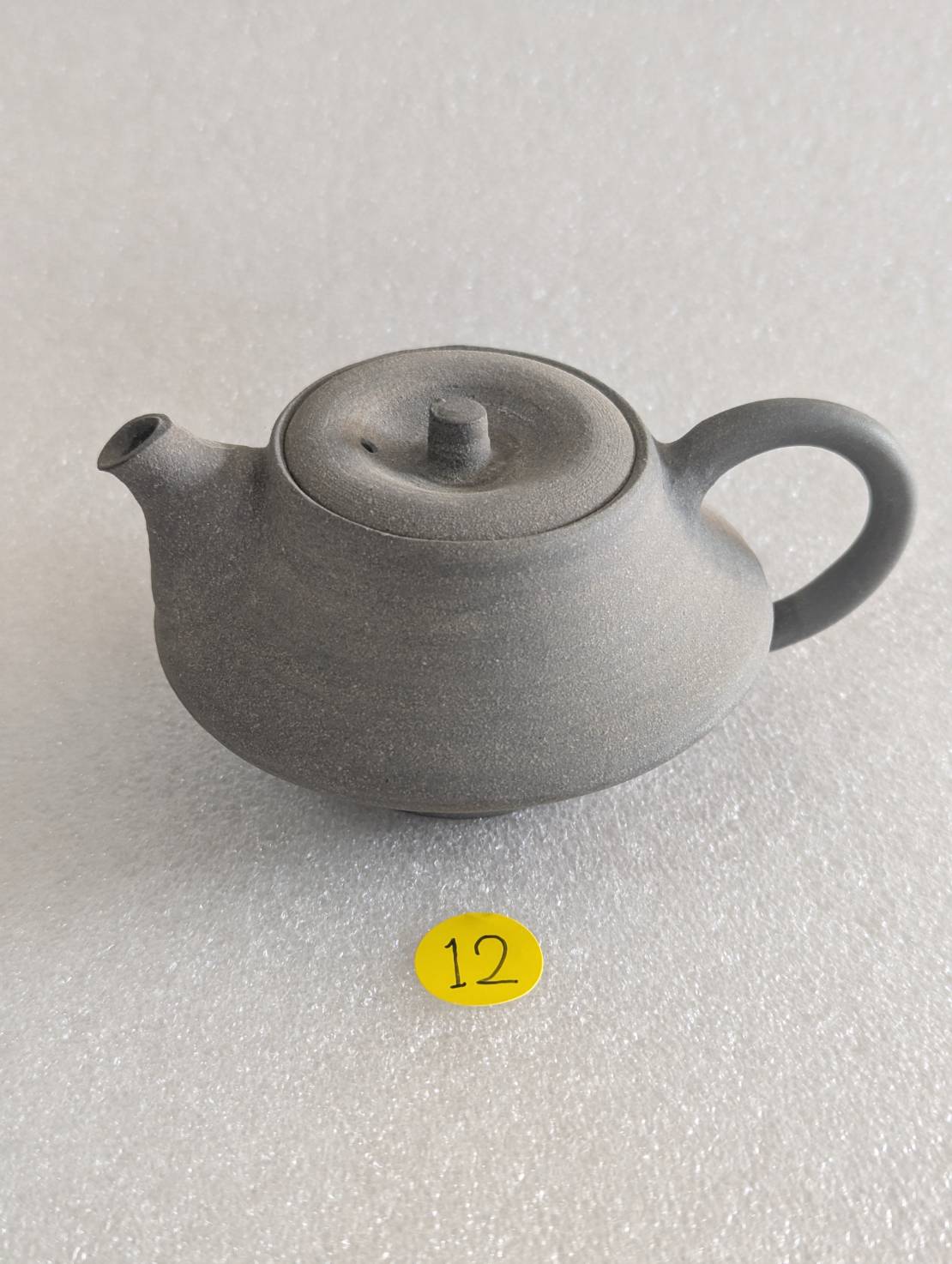
Black Abacus Teapot, Yaki-shime Style
Size: 120 × 90 × 55
Technique: Yaki-shime
Material: Ceramic
Year: 2025
Black clay abacus-shaped teapot with a rear handle, fired using the Yaki-shime technique
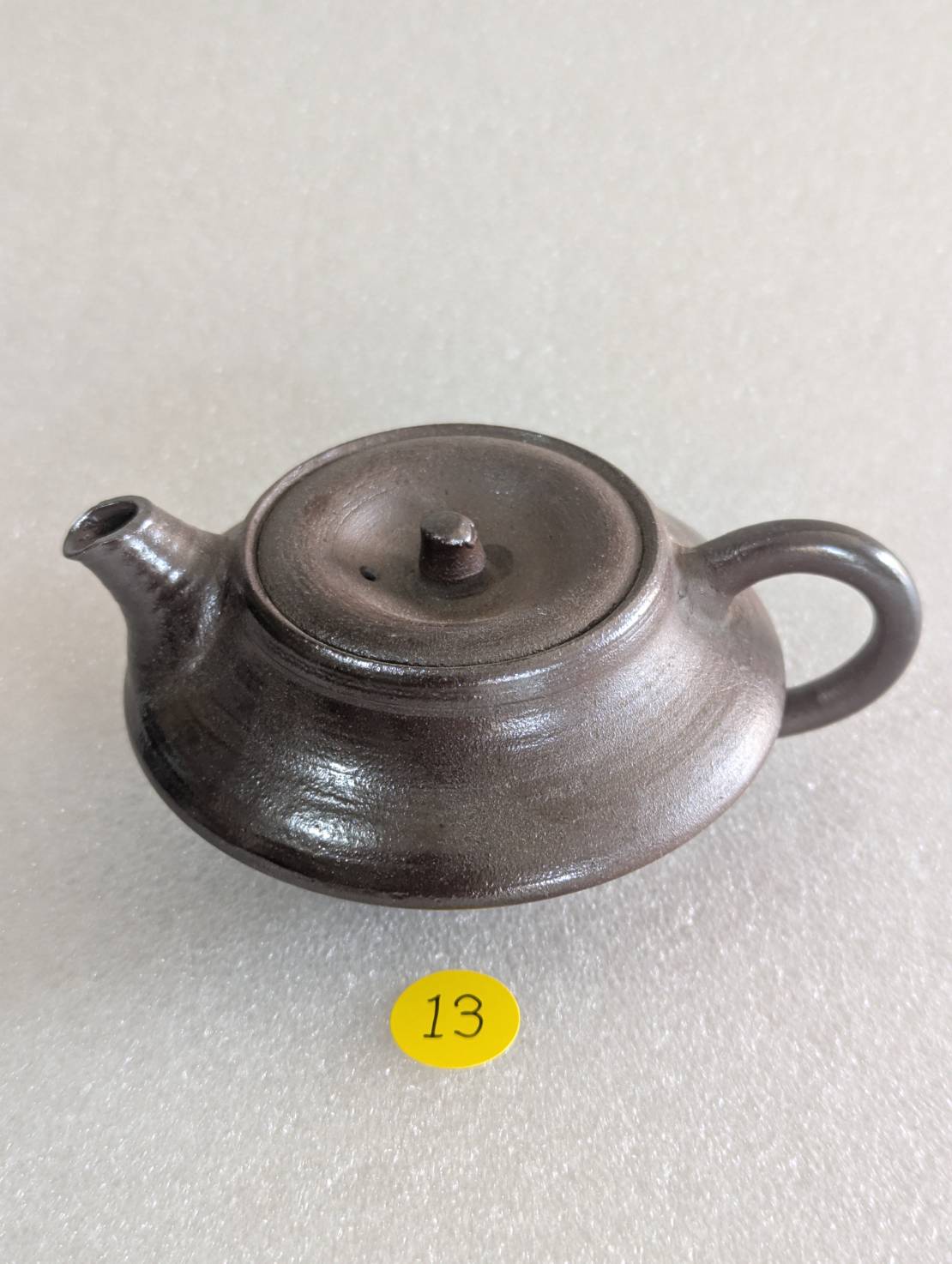
Notes on the Abacus-Patterned Tea Pot from a Cave Kiln with Kiln Variations
Size: 125×95×50
Technique: Wood-fired
Material: Ceramic
Year: 2025
Abacus-shaped teapot with a rear handle, fired in a wood-fired anagama kiln to produce a natural ash glaze
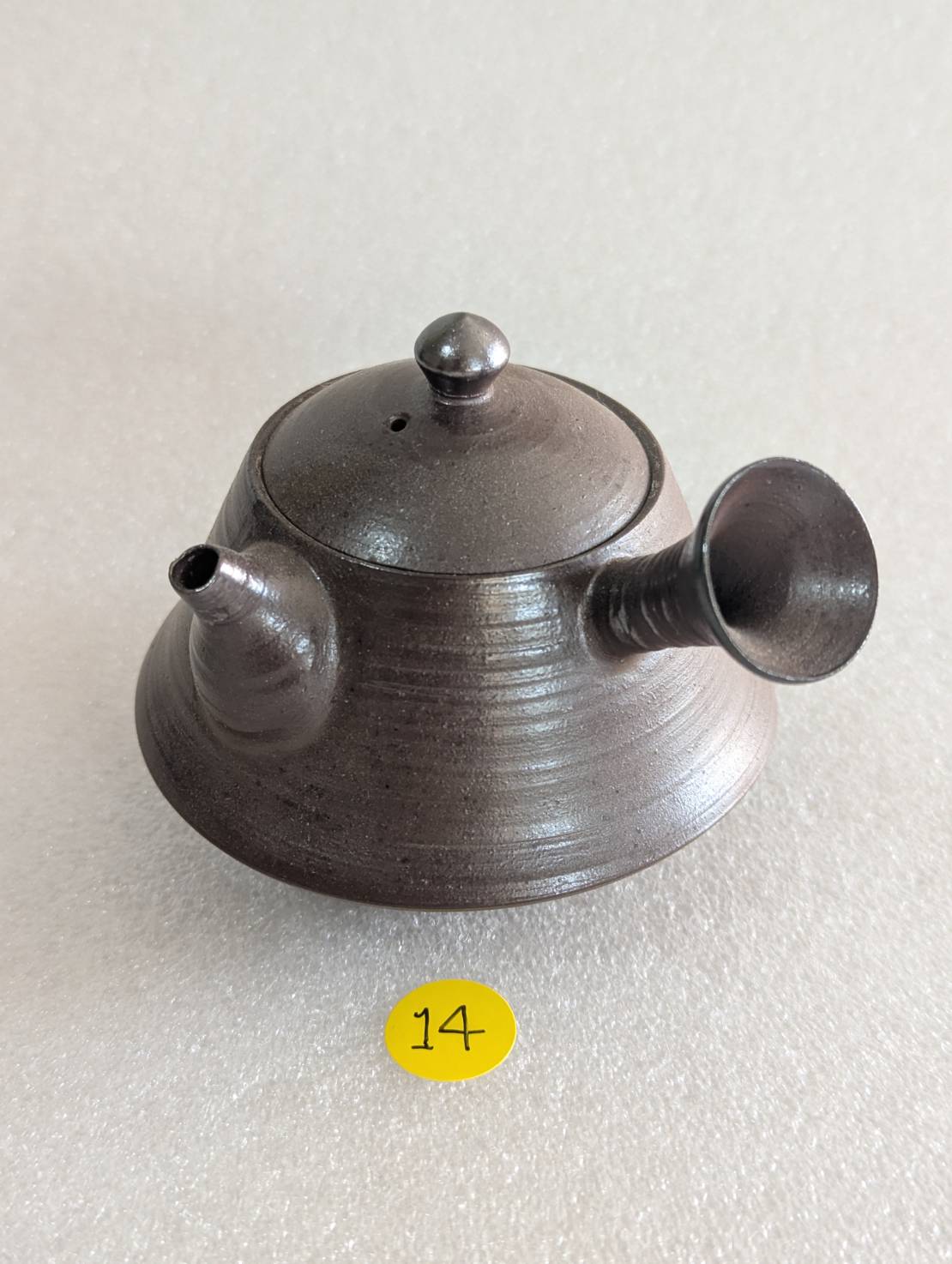
Pit Kiln Kiln-Change Conical Teapot
Size: 115 × 95 × 80
Technique: Wood-fired
Material: Ceramic
Year: 2026
Conical teapot with natural ash finish, wood-fired in a pit kiln
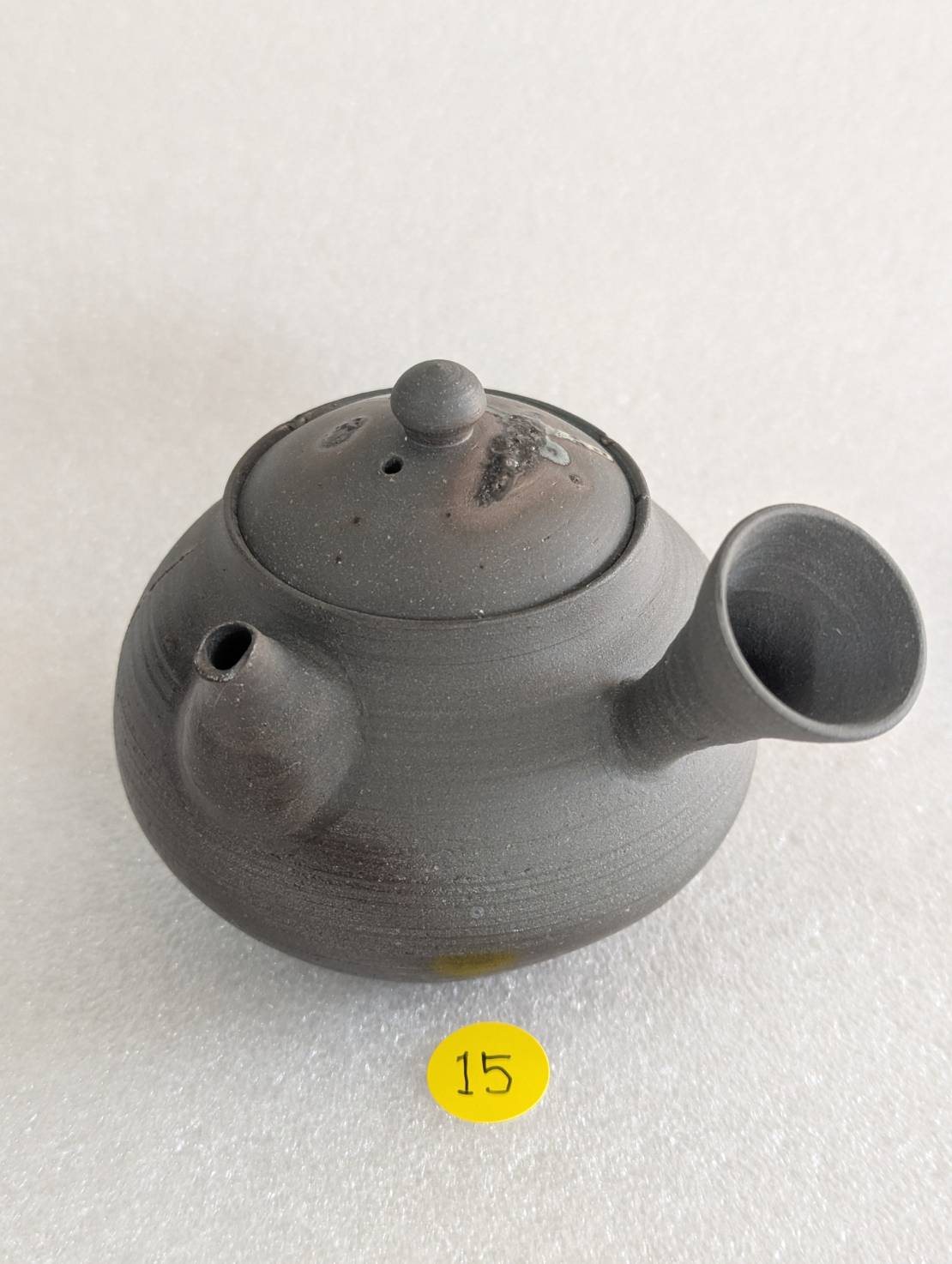
Kiln-Changed Vermilion-and-Black Teapot
Size: 130 × 100 × 90
Technique: Hi-taki
Material: Ceramic
Created: 2026
A round teapot made of black clay using the Hi-taki technique
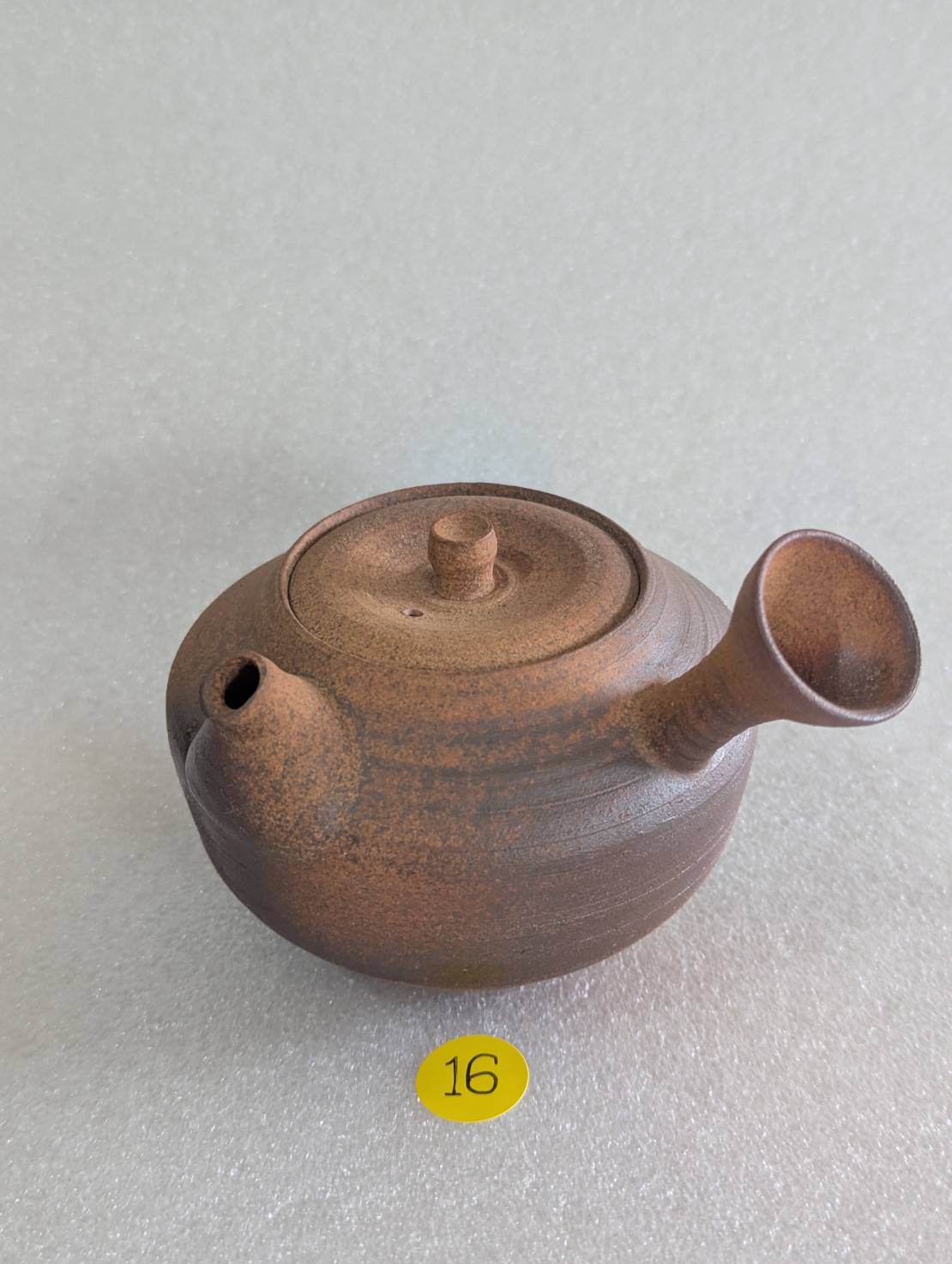
Sakurajima Teapot with Kiln-Changed Carbonization Glaze
Size: 130 × 105 × 85
Technique: Carbonization firing
Material: Ceramic
Year: 2026
A round teapot featuring a relief image of Sakurajima made of red clay using the carbonization firing technique
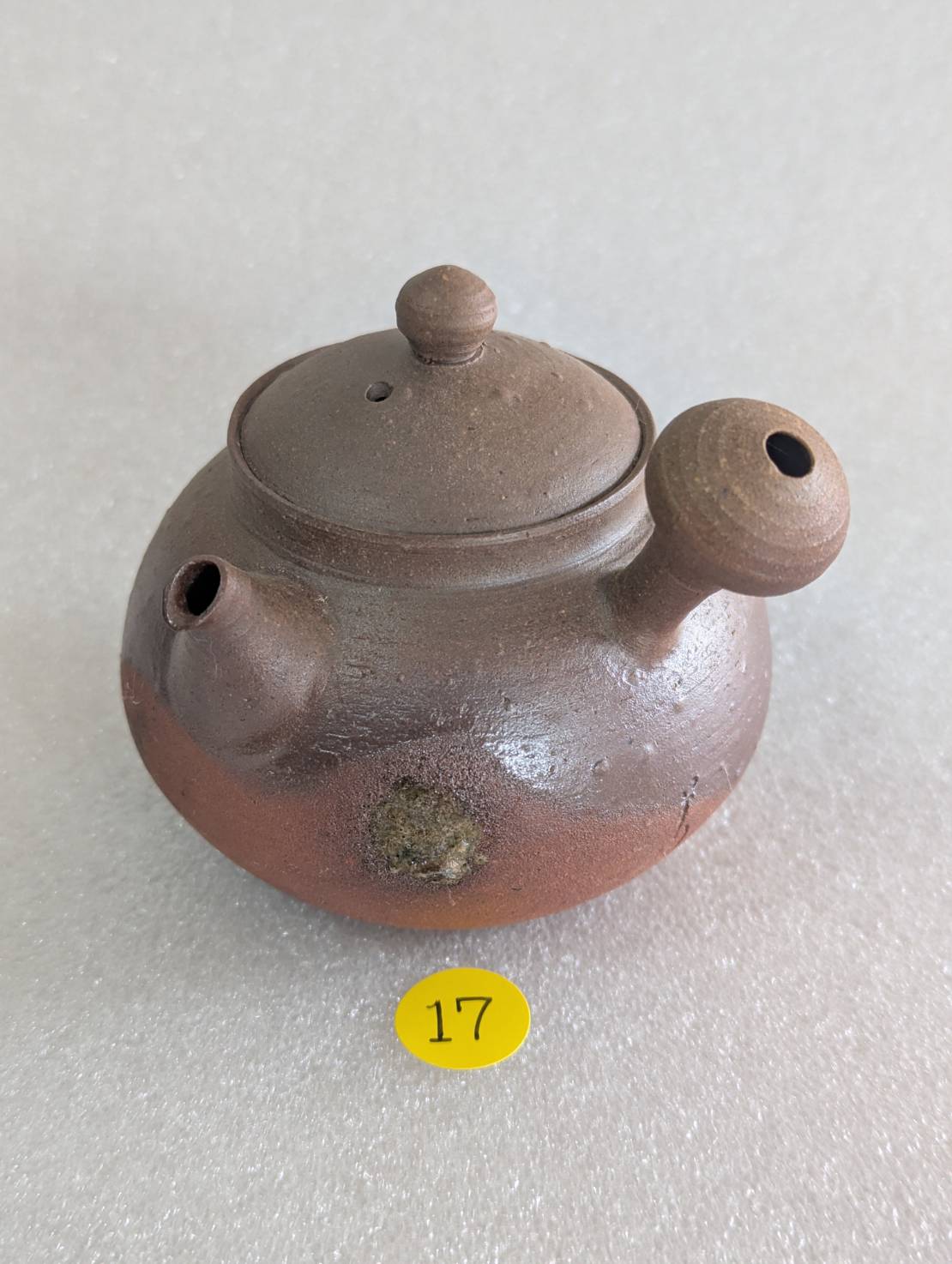
Kiln-Changed Carbonized Red Teapot
Size: 105 × 95 × 85
Technique: Carbonization firing
Material: Ceramic
Year: 2026
Round teapot featuring the natural patterns of red clay created through carbonization firing
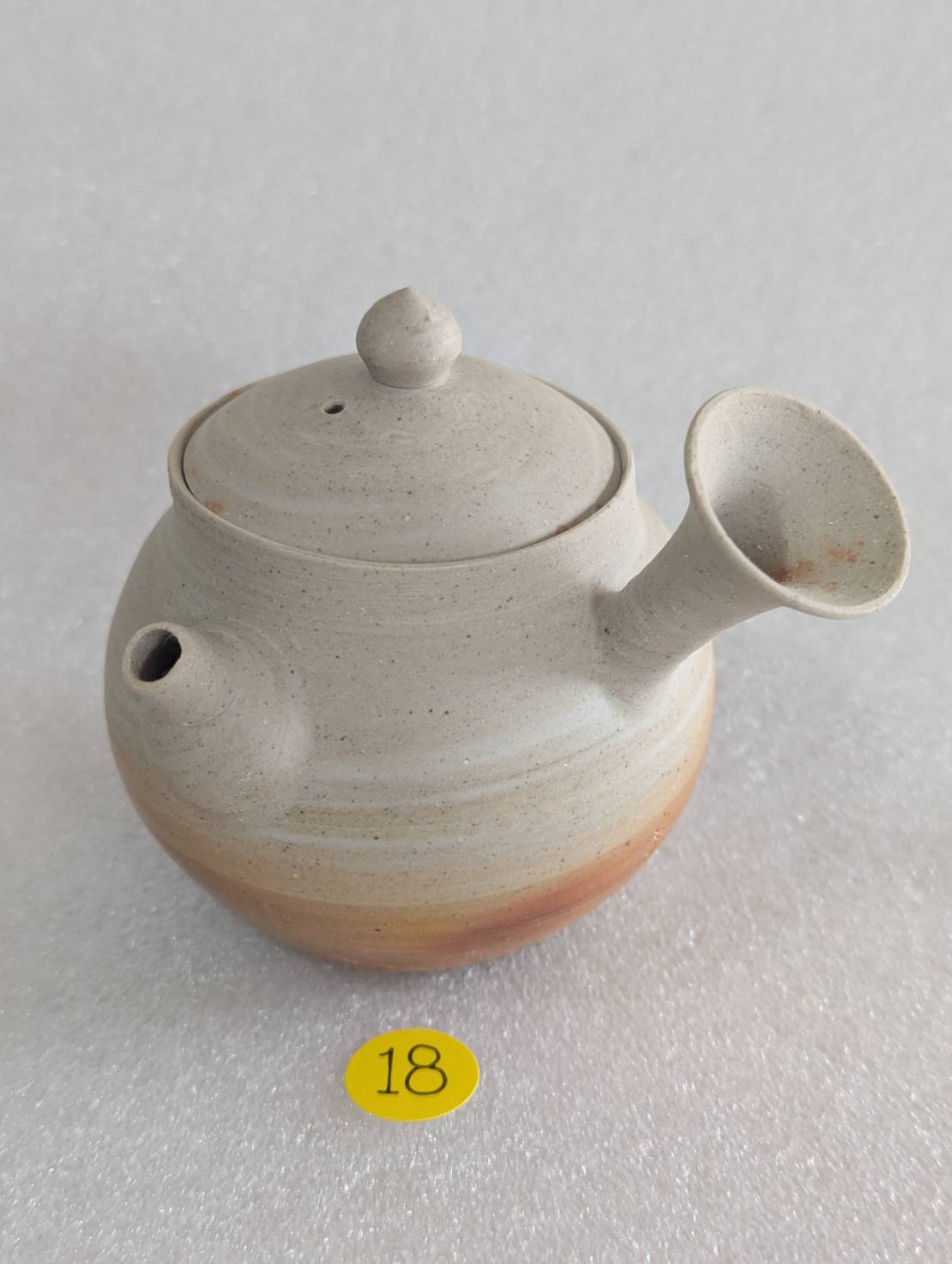
Kiln-Changed, Carbonized, and Inlaid Teapot
Size: 115 × 95 × 90
Technique: Carbonization firing
Material: Ceramic
Year: 2026
Round teapot with natural patterns created by blending white and red clay using the carbonization firing technique
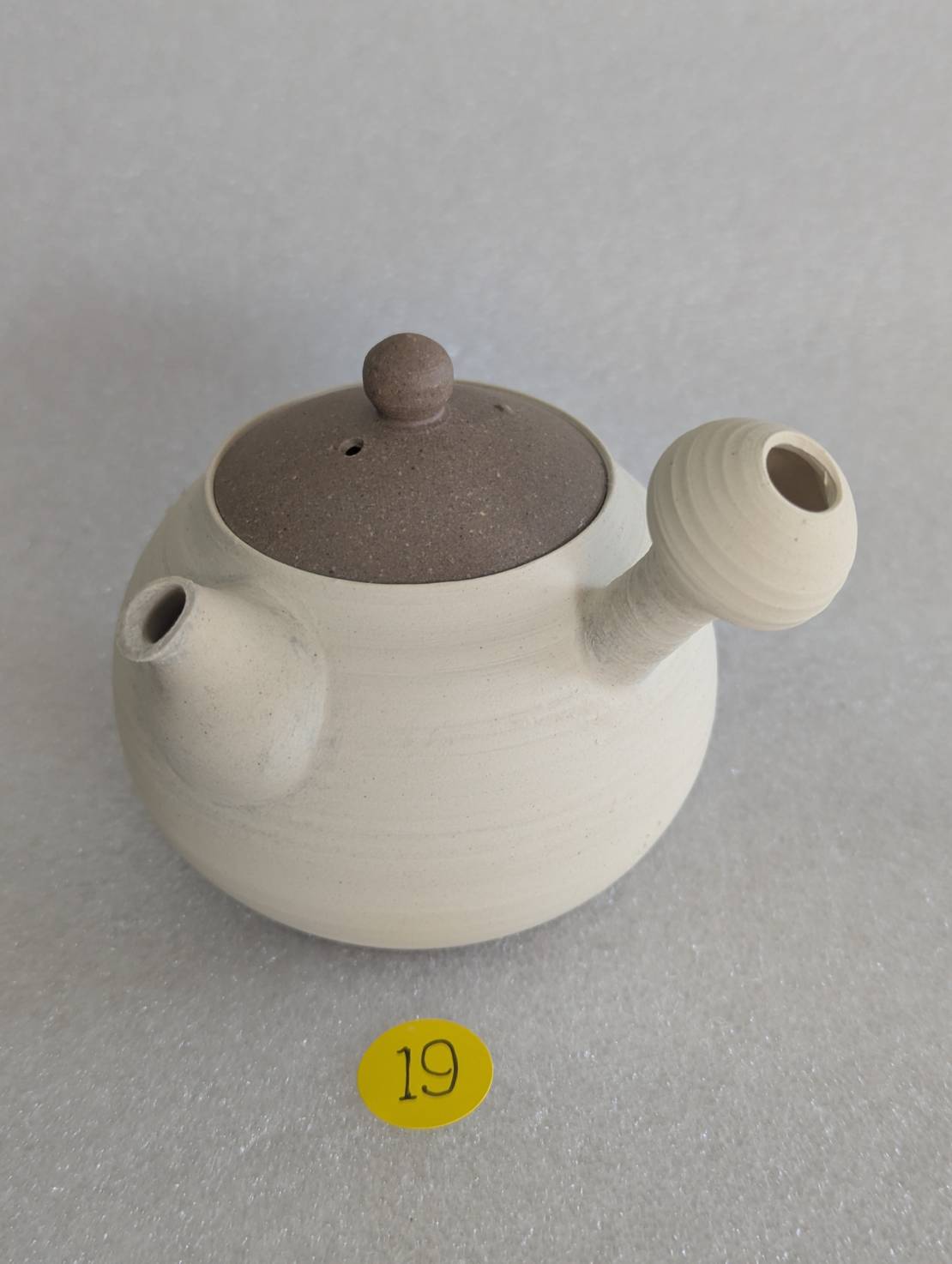
Two-Tone Round Yaki-shime Teapot
Size: 105 × 95 × 85
Technique: Yaki-shime
Material: Ceramic
Created: 2026
A round teapot with a lid and body made from different clays, fired using the Yaki-shime technique
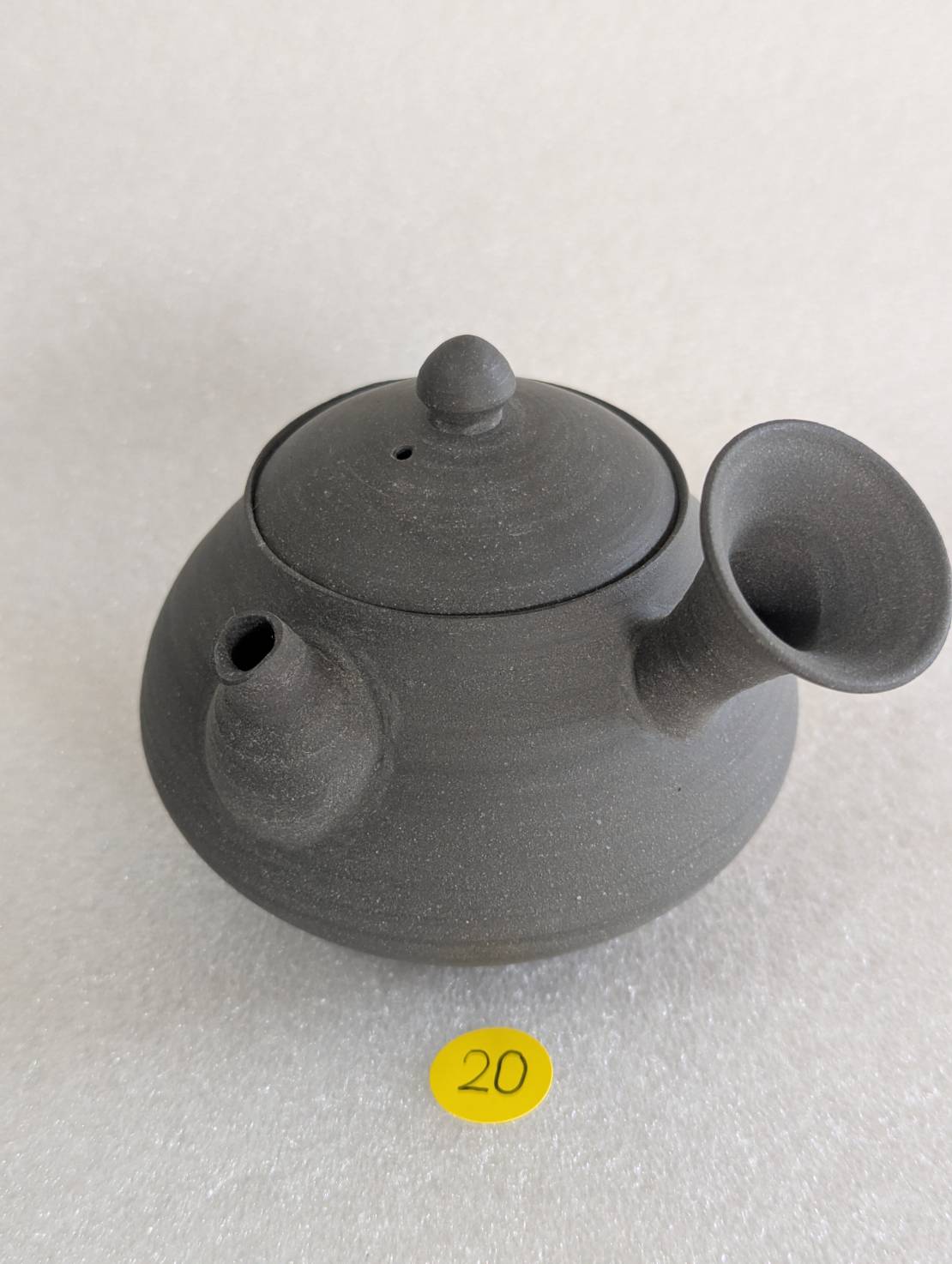
Black Round Yaki-shime Teapot
Size: 130 × 105 × 95
Technique: Yaki-shime
Material: Ceramic
Year: 2026
A slightly oversized, round teapot made of black clay and fired using the Yaki-shime technique
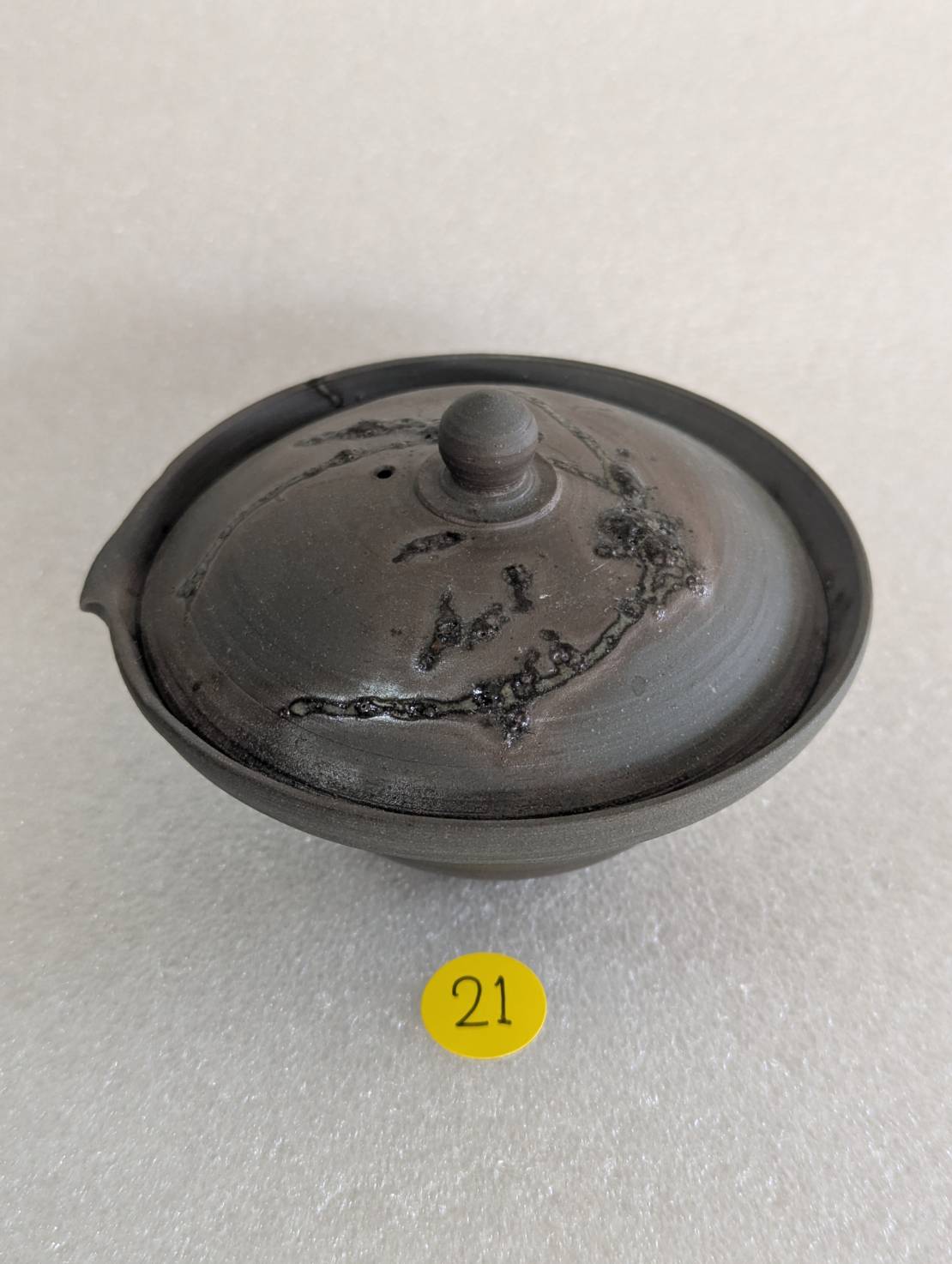
Kiln-Changed Vermilion-Striped Black Shibori
Size: 115 × 110 × 70
Technique: Hi-taki
Material: Ceramic
Created: 2026
Variations created by the Hi-taki technique on black clay
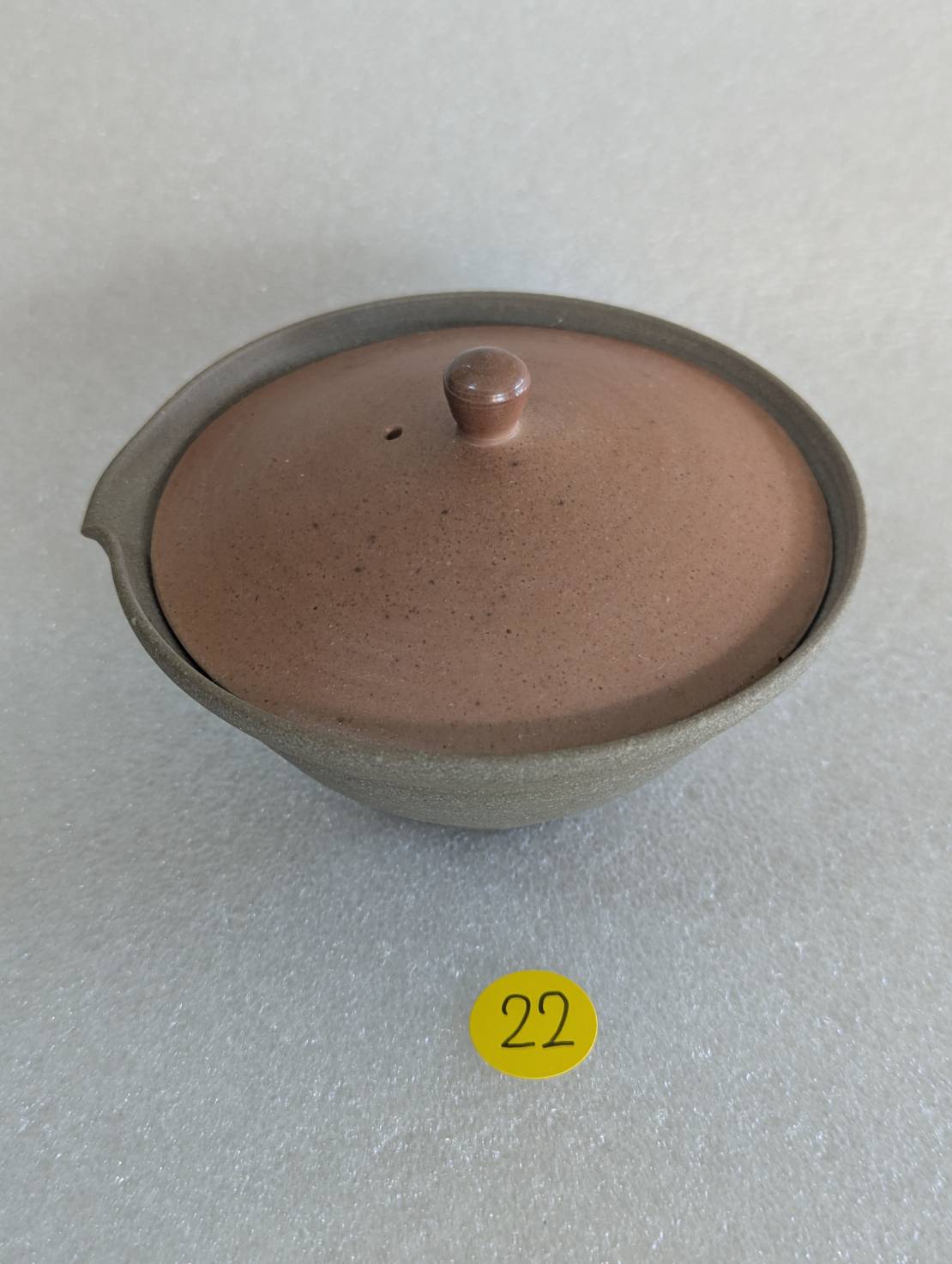
Two-Tone Squeeze-Formed Yaki-shime Ware
Size: 115 × 110 × 70
Technique: Yaki-shime
Material: Ceramic
Created: 2026
Coiling technique using different clays for the lid and body, fired using the Yaki-shime method
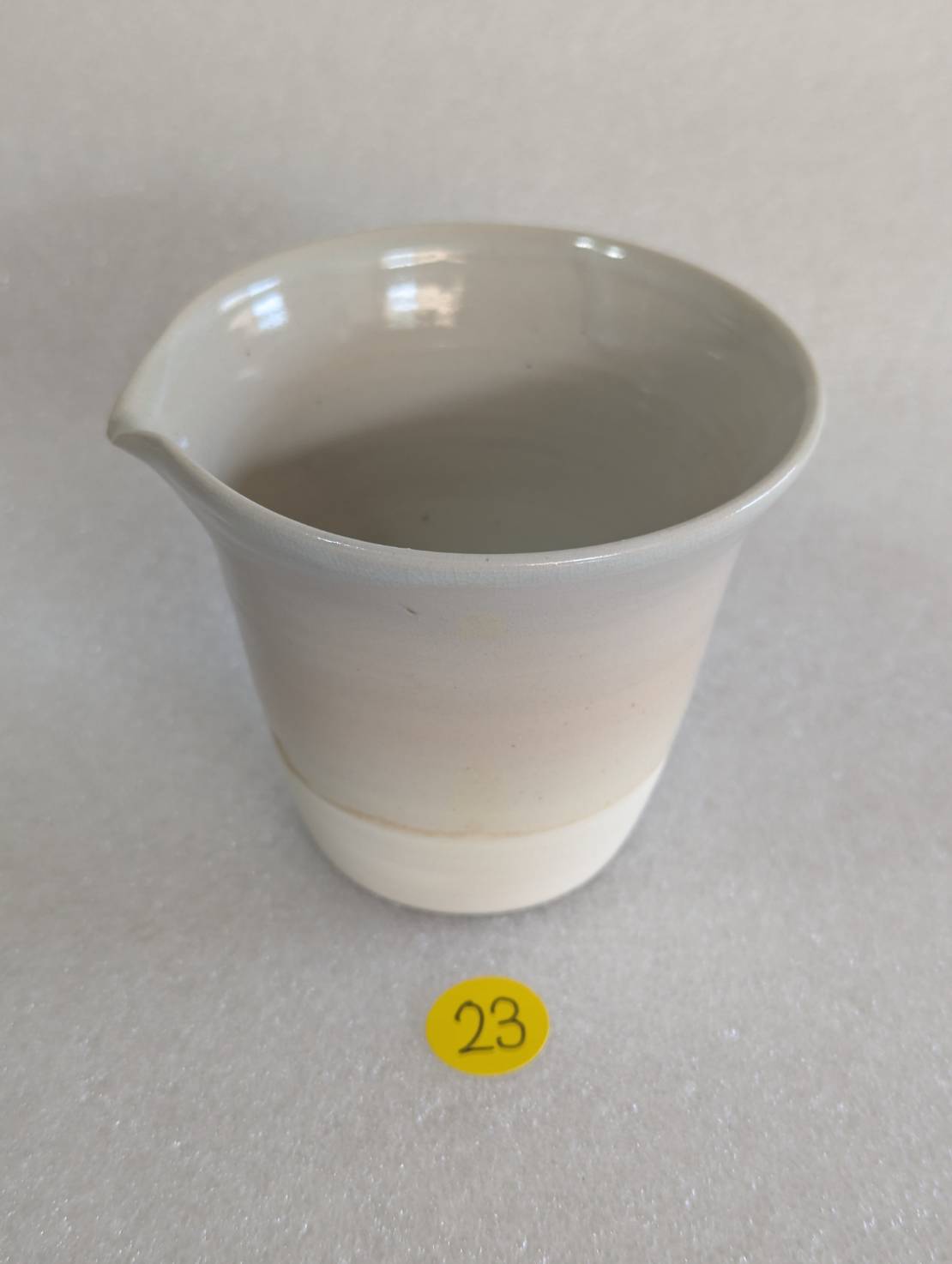
Glazed White Tea, Chilled
Size: 100 × 95 × 80
Technique: Glazed
Material: Ceramic
Created: 2026
Tea cooler made of white clay with a transparent glaze
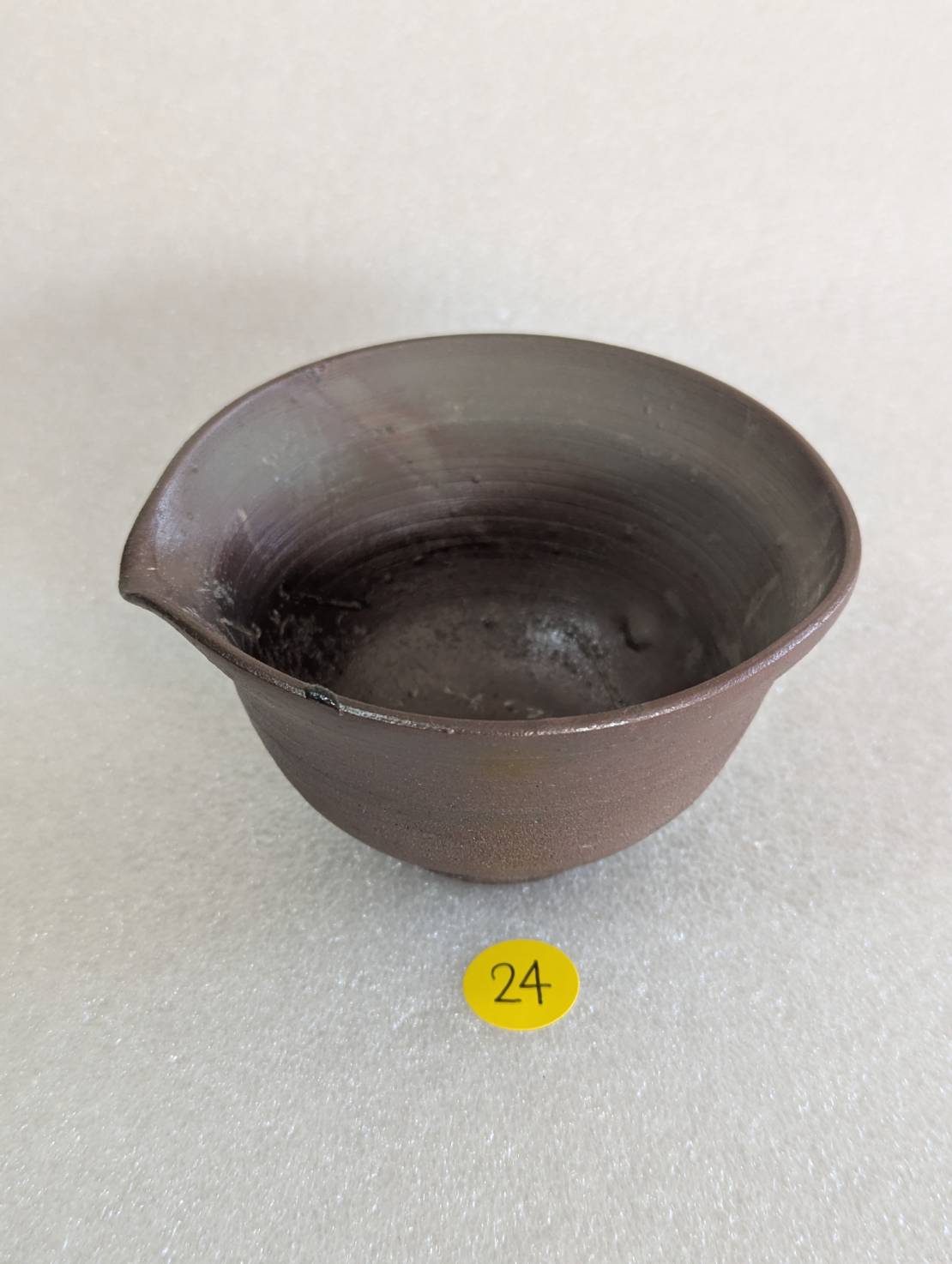
Kiln-Changed Carbonized Red-Glazed Sake, Chilled
Size: 110 × 105 × 60
Technique: Carbonization firing
Material: Ceramic
Created: 2026
A teacup cooler made of red clay with natural patterns created by carbonization firing
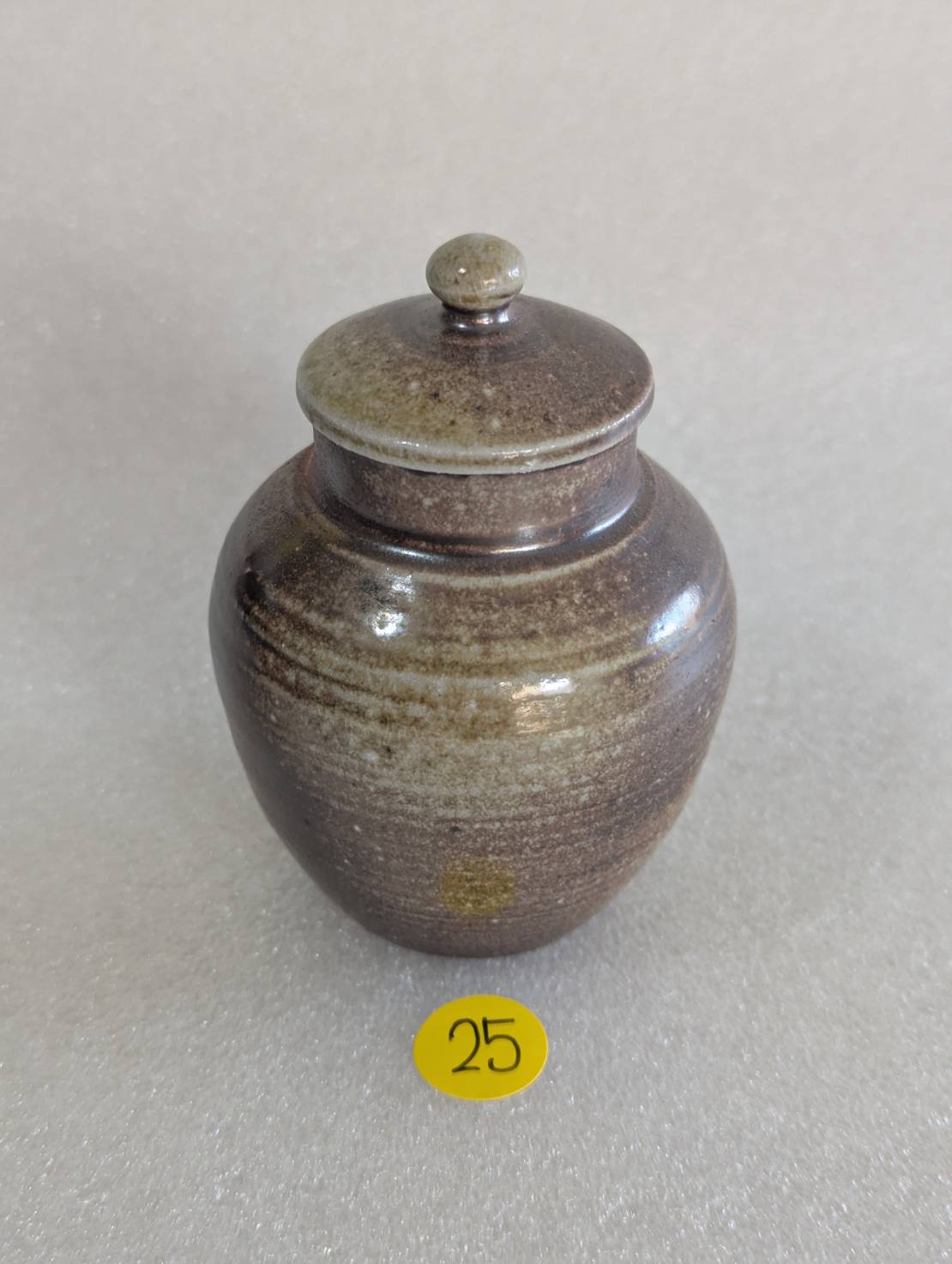
Pit Kiln Tea-Heart Teapot with Kiln-Fired Color Variations
Size: 75 × 75 × 95
Technique: Wood-fired
Material: Ceramic
Created: 2026
Tea-ceremony teapot with natural ash finish, wood-fired in a pit kiln
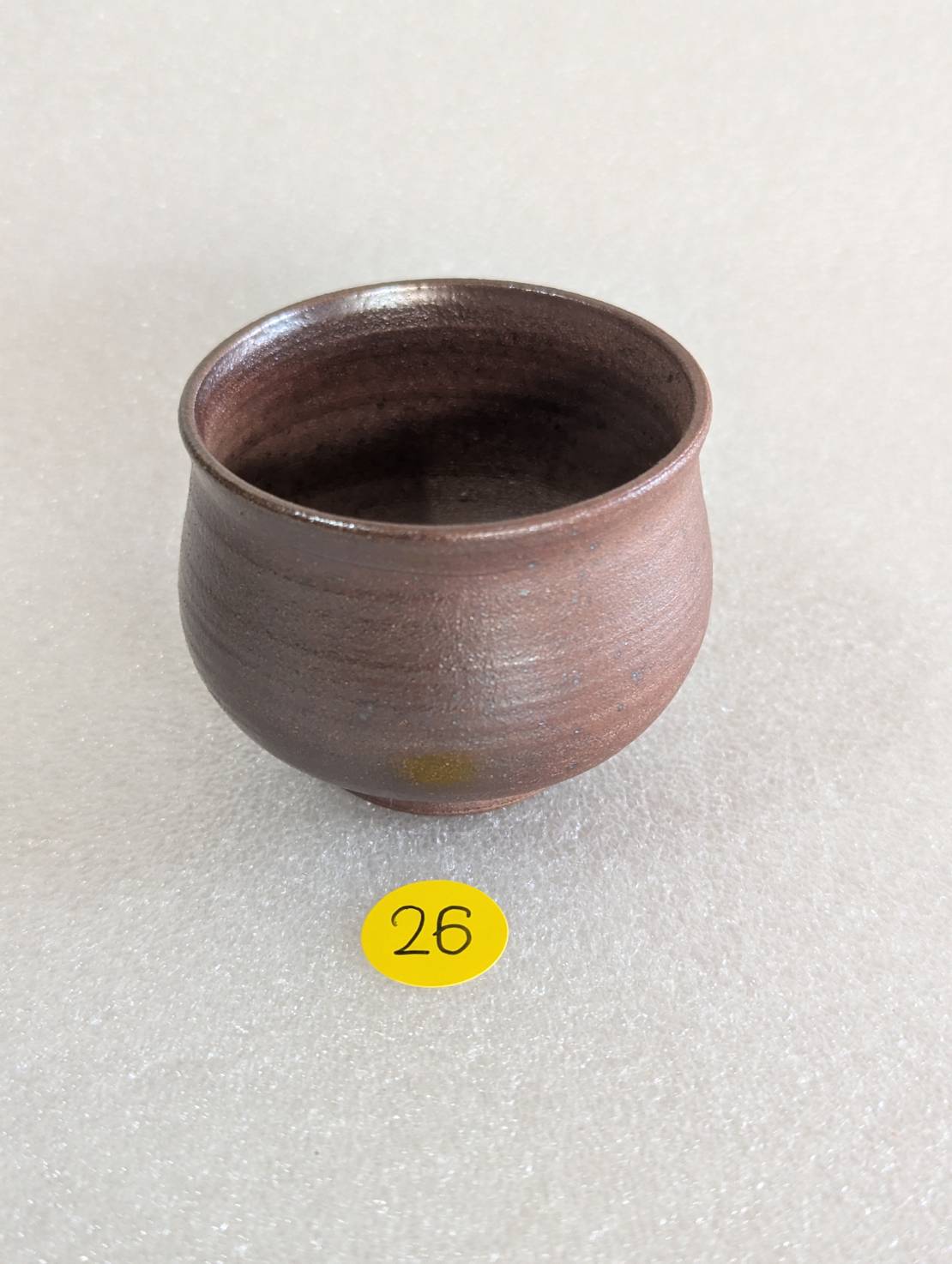
Anagama Kiln-Fired Teacup with Natural Glaze Variations
Size: 70 × 70 × 50
Technique: Wood-fired
Material: Ceramic
Created: 2026
Teacup with natural ash glaze, fired in a wood-fired anagama kiln
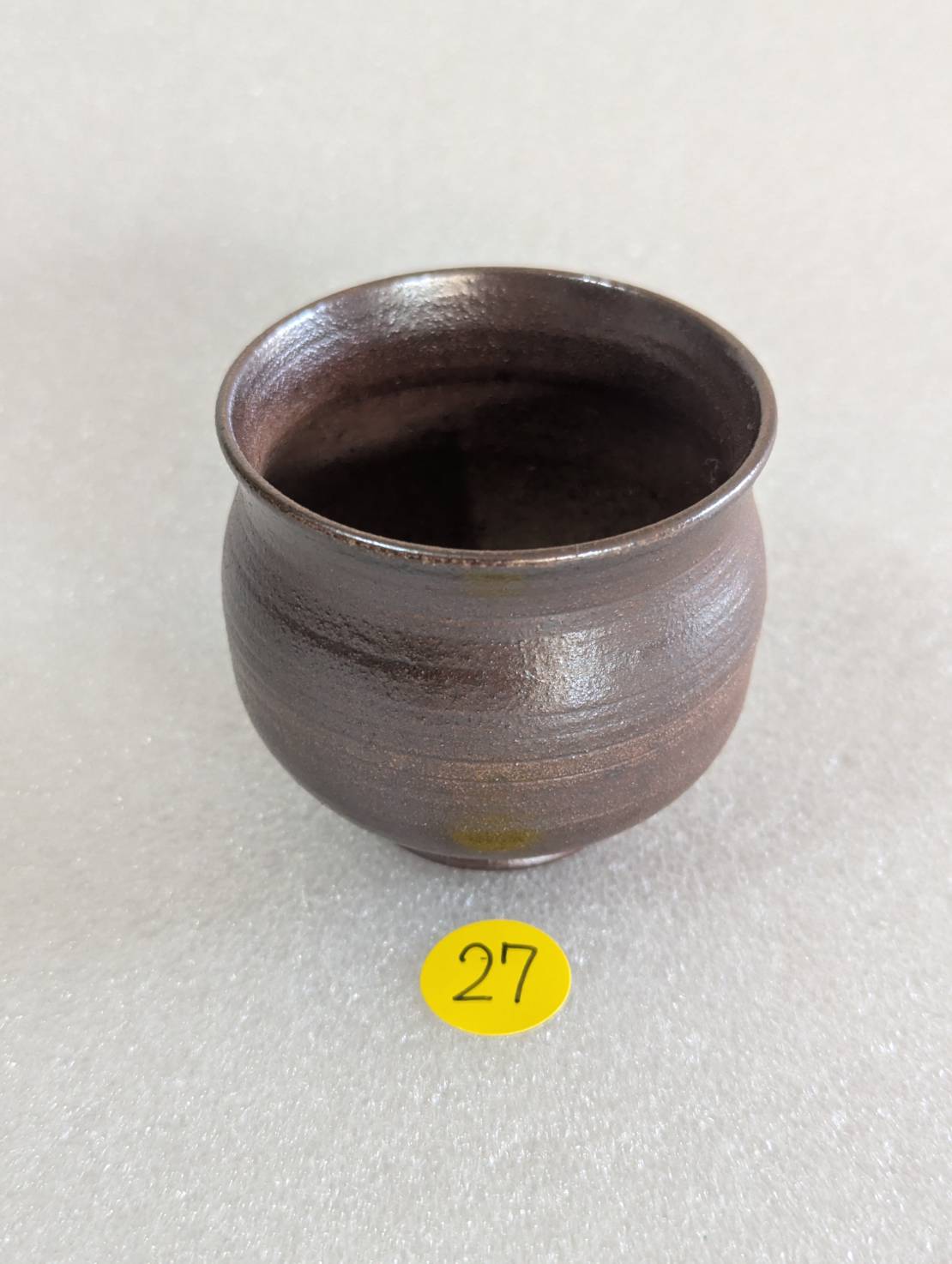
Anagama Kiln-Fired Teacup with Natural Glaze Variations
Size: 65 × 65 × 55
Technique: Wood-fired
Material: Ceramic
Year: 2026
Teacup with natural ash glaze, fired in a wood-fired anagama kiln
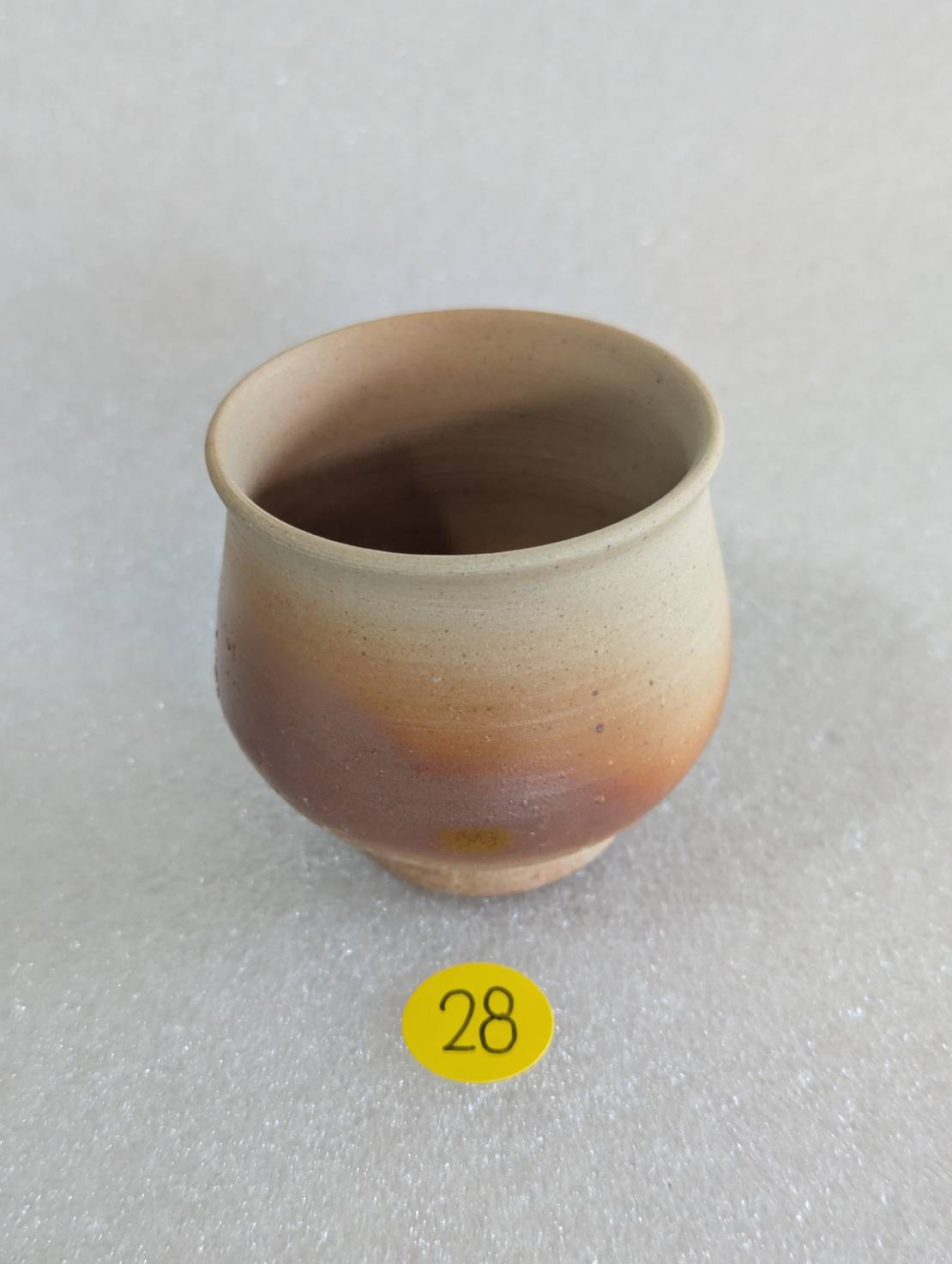
Kiln-Changed, Carbonized, White-Glazed Teacup
Size: 65 × 65 × 58
Technique: Carbonization firing
Material: Ceramic
Created: 2026
Teacup featuring the natural patterns of white clay created through carbonization firing
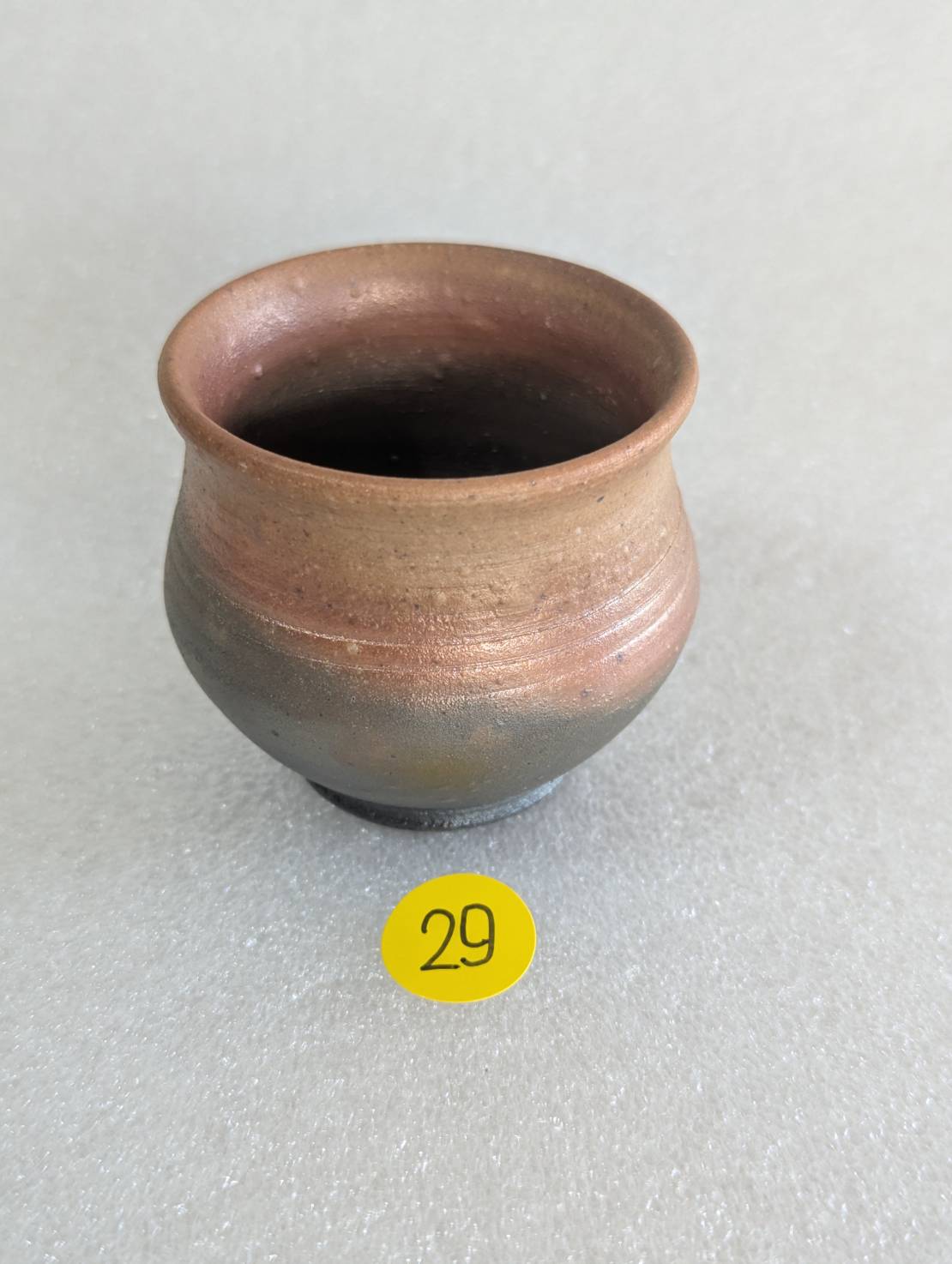
Kiln-Changed Carbonized Gold-Glazed Teacup
Size: 65 × 65 × 55
Technique: Carbonization firing
Material: Ceramic
Created: 2026
Teacup made of red clay with golden patterns created through carbonization firing
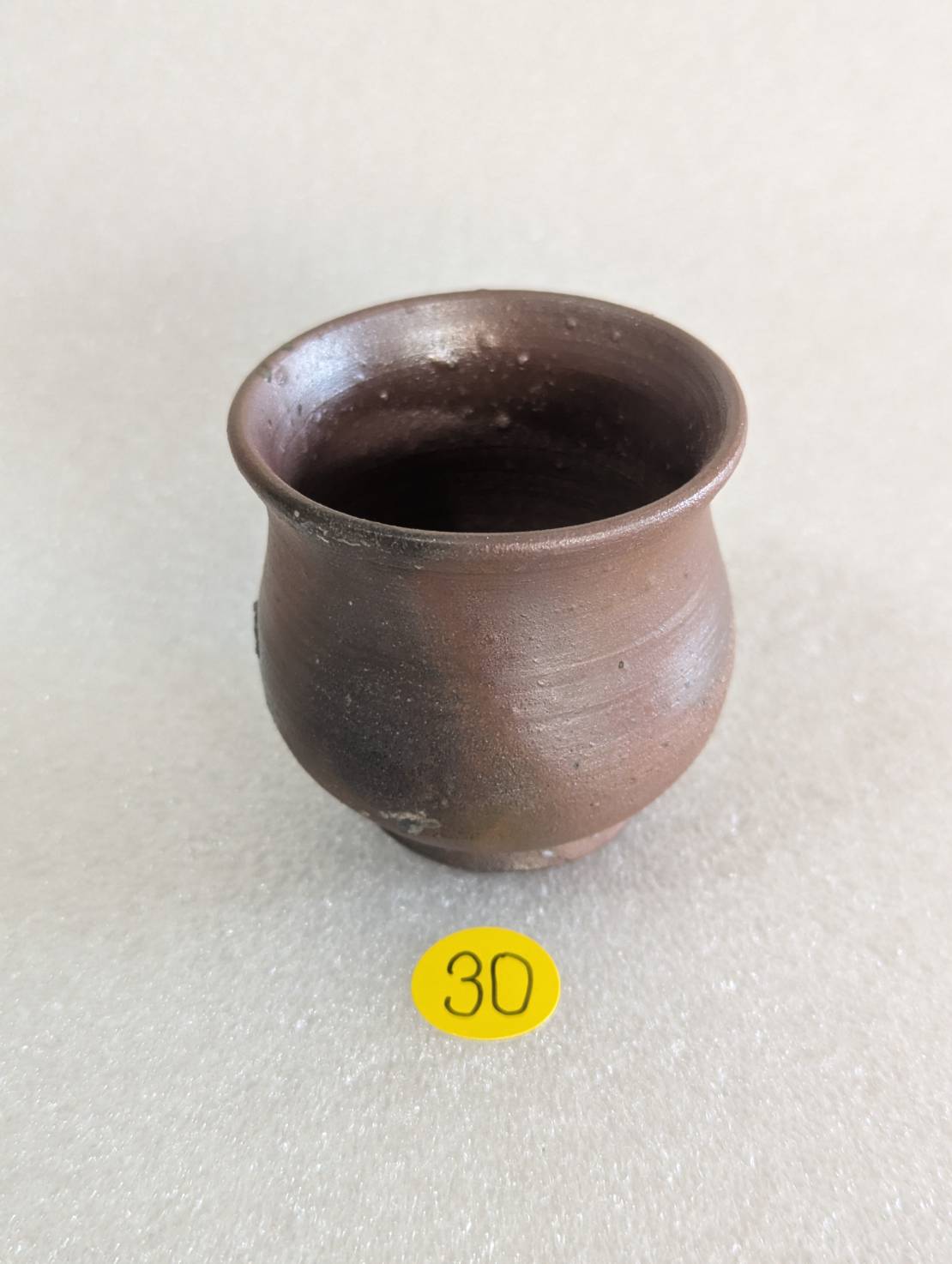
Red Sake Cup with Kiln-Induced Carbonization
Size: 62 × 62 × 57
Technique: Carbonization firing
Material: Ceramic
Created: 2026
Teacup featuring the natural patterns of red clay created by carbonization firing